6 Ways Commercial Doors Improve Safety and Efficiency in Workplaces
In most workplaces, doors rarely get attention, yet they quietly influence how every space functions. Every delivery, team movement, or customer visit depends on smooth entryways that protect, insulate, and secure. While companies often focus on digital upgrades or new systems, physical infrastructure plays a significant role in how smoothly operations run each day.
Across growing industrial areas like Lathrop, where warehouses and offices stay active year-round, dependable entry systems are vital for maintaining order. From limiting energy loss to strengthening protection, the right doors help workplaces operate safely and efficiently.
Here are six practical ways that modern commercial door solutions make daily work easier, safer, and more consistent.
1. Strengthening Access Control and Safety
Every facility needs barriers that are secure yet convenient. Modern door systems are no longer just physical barriers—they’re part of a building’s intelligence. They help teams control who enters, track movement, and respond quickly when safety matters most.
That’s where companies like CLAD bring unmatched value. With expertise in reliable access systems and a focus on long-term performance, the company delivers solutions that enhance both protection and usability. Their commercial doors in Lathrop are designed to integrate seamlessly with modern security setups, ensuring every entry point supports a safer and more efficient workspace. These systems not only safeguard assets but also give employees confidence that their environment is consistently secure.
What makes this important:
- Controlled access prevents theft and protects equipment.
- Automatic locks and keycard systems limit manual errors.
- Security doors help contain incidents in sensitive areas.
For example, an office might install keycard entry panels that record every visitor. This not only fosters accountability but also reassures employees that their environment is safe and well-managed.
2. Managing Energy and Climate Control
Indoor comfort depends on how effectively a building manages airflow and maintains a comfortable temperature. When doors fail to seal correctly, they allow conditioned air to escape and outdoor air to enter, resulting in uneven temperatures and increased energy consumption. Over time, this adds strain to HVAC systems and increases utility costs. Upgrading to insulated or well-fitted commercial doors helps maintain steady indoor conditions while reducing system load. Even minor improvements in structure can create noticeable comfort differences for both employees and equipment.
Practical benefits include:
- Reduced demand on heating and cooling systems
- Consistent room temperatures during work hours
- Gradual decline in overall energy consumption
Better climate control improves comfort, efficiency, and long-term savings.
3. Improving Workflow and Movement Efficiency
Smooth movement means less delay. Automatic or sectional door systems help people and materials move freely. In fast-paced settings, every second matters.
How these upgrades help:
- Remote controls speed up warehouse operations.
- Sliding doors reduce crowding in narrow corridors.
- Quicker transitions keep schedules on track.
Imagine a delivery team waiting for heavy manual doors to open several times a day. Switching to automated systems prevents that bottleneck and makes daily routines noticeably smoother.
4. Supporting Emergency and Safety Compliance
During emergencies, seconds count. Fire-rated models, push bars, and clearly marked exits keep people moving safely toward open spaces.
A slight delay can cause confusion in stressful moments. Facilities that still rely on outdated hardware risk experiencing jams or hesitation when alarms sound.
Let’s take an example: a manufacturing unit that replaced its steel exits with panic-bar designs improved evacuation drill times by almost half. These upgrades aren’t just about following rules; they demonstrate genuine care for employee safety.
5. Reducing Maintenance and Long-Term Expenses
Older systems often bring recurring repairs and downtime. Modern materials and proper maintenance plans prevent that cycle.
Simple ways to extend lifespan:
- Lubricate hinges and tracks twice a year.
- Schedule inspections to catch wear early.
- Keep areas around doors free of debris.
A regional office that began conducting quarterly checks experienced a significant drop in repair costs within six months. Regular upkeep also prevents sudden failures that might interrupt workflow at critical hours. By treating door systems like any other business asset, companies maintain both performance and peace of mind.
6. Enhancing Brand Image and Customer Experience
First impressions start at the entrance. Clean, modern doors show professionalism and reliability.
Why presentation matters:
- Smooth automation signals attention to detail.
- Clear glass or sleek aluminum frames create a sense of openness.
- Accessible designs make everyone feel welcome.
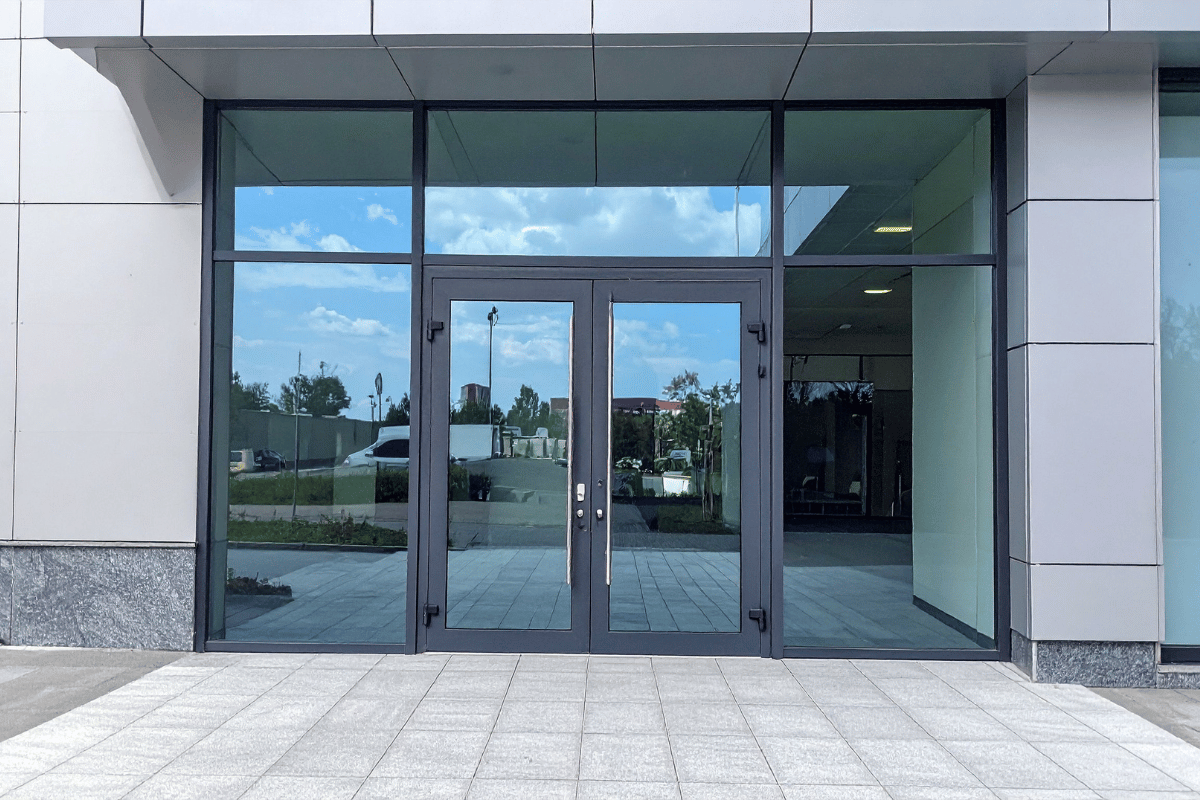
Think of a storefront where glass doors glide open quietly — it gives visitors a sense of ease before they even step inside. That subtle experience strengthens trust and leaves a lasting positive image. Well-designed entrances can also reflect a company’s identity, showing that it values efficiency, comfort, and safety equally. Even small design upgrades can refresh how clients perceive your entire space.
Final Thoughts
Commercial door systems quietly support safety, comfort, and productivity every day. They cut energy waste, simplify movement, and help buildings stay prepared for emergencies. Investing in durable, well-designed solutions is not about replacing what exists; it’s about keeping work environments dependable and efficient. When every entrance functions smoothly, the entire operation feels more secure, connected, and ready for growth.