How to Improve Power Distribution Efficiency With the Right Power Cables
Efficient power distribution is essential for maintaining consistent performance across industrial, commercial, and temporary setups. Whether powering machinery, lighting systems, or critical equipment, the choice of cables plays a direct role in how effectively energy is delivered and utilized. It also directly impacts system safety, reliability, and overall operational efficiency.
Poor cable selection or improper installation can lead to energy loss, overheating, and frequent system interruptions. These issues not only affect performance but also increase maintenance costs and reduce the lifespan of electrical systems. In high-demand environments, even small inefficiencies can quickly add up.
Improving power distribution efficiency starts with making informed decisions about cable selection, installation practices, and long-term system management.
Choose the correct cable size
Selecting the right cable size is one of the most important steps in improving efficiency. Cables that are too small for the load can cause voltage drops and overheating, while oversized options may increase costs without providing meaningful benefits.
Choosing the appropriate power cables based on load requirements ensures that energy flows efficiently without unnecessary resistance or strain on the system. Solutions developed by Duraline are often designed to support high-performance distribution systems with reliable capacity handling and durability in demanding environments.
This helps maintain stable voltage levels across the system and prevents unnecessary energy loss during transmission. Proper sizing also supports system longevity, as cables operate within their intended limits and are less likely to experience wear caused by electrical stress.
Use High-Quality Conductive Materials
The material used in cables directly affects how efficiently electricity is transmitted. High-quality conductors such as copper provide lower resistance, allowing energy to move more effectively through the system.
Lower resistance reduces heat generation, which helps maintain stable performance and prevents energy waste. This becomes especially important in environments where equipment runs continuously or under heavy load conditions.
Durable materials also improve reliability over time. They reduce the frequency of repairs and replacements, helping maintain consistent efficiency and lowering long-term operational costs.
Optimize Cable Routing and Length
The way power cables are routed directly impacts distribution efficiency. Longer cable runs increase resistance, leading to greater energy loss during transmission. Poor routing can also create unnecessary bends and congestion, which may further affect performance and heat dissipation.
Keeping cable paths short and direct helps reduce this loss. Properly planned routing also improves airflow around cables, which helps dissipate heat and maintain consistent performance.
Organized cable layouts make systems easier to inspect and maintain. Clear routing reduces clutter, improves safety, and allows quicker identification of faults or inefficiencies.
Ensure Proper Installation Practices
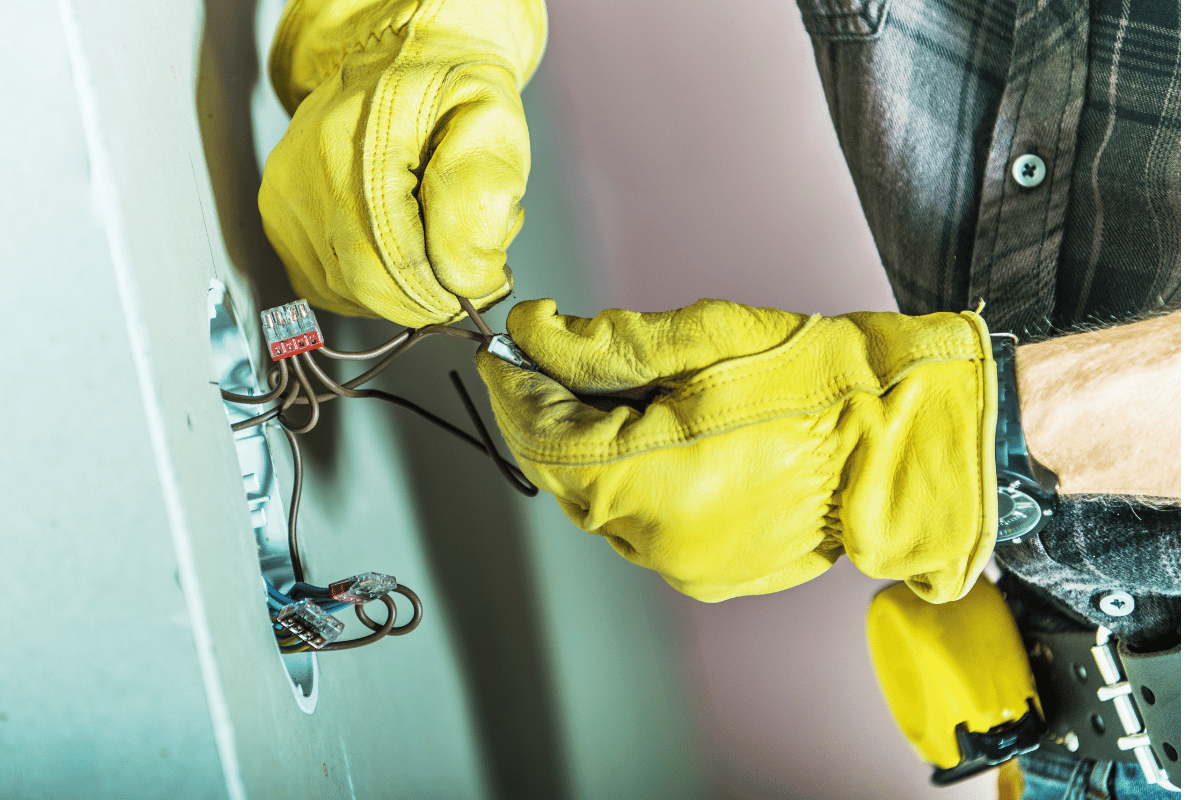
Even the best cables can underperform if installation is not handled correctly. Loose connections, improper terminations, or excessive bending can reduce efficiency and increase the risk of system failure.
Secure connections help maintain a steady electrical flow, reducing the risk of voltage fluctuations and overheating. Proper installation also minimizes wear and tear on cables, extending their lifespan.
Attention to detail during installation ensures that all components work together efficiently. This creates a more stable system that performs consistently under varying load conditions. It also helps reduce the risk of unexpected failures, improving overall system reliability over time.
Avoid Overloading Cables
Overloading is a common cause of inefficiency and system instability. When cables carry more current than they are designed for, it results in excessive heat, energy loss, and potential damage. This can also accelerate wear on insulation and increase the risk of unexpected system failures over time.
Distributing the load evenly across multiple power cables helps maintain balance within the system. This prevents any single cable from becoming overburdened and ensures smoother operation. It also reduces the risk of overheating and improves the overall lifespan of the cables by minimizing continuous stress on individual lines.
Balanced systems operate more efficiently because each component functions within its optimal range. This reduces stress on the system and improves overall reliability.
Maintain and Upgrade Cables Regularly
Regular inspection and maintenance play a key role in maintaining efficiency. Over time, cables may degrade due to environmental exposure, mechanical stress, or aging materials. This gradual deterioration can lead to reduced performance, increased resistance, and a higher risk of unexpected system failures if not addressed in time.
Checking for signs of wear, corrosion, or insulation damage helps identify issues before they impact performance. Timely replacement of damaged cables prevents unexpected failures and maintains system stability.
Upgrading to newer cable technologies can further improve efficiency. Modern designs often offer better insulation, improved conductivity, and higher durability, making them more suitable for current power demands.
Conclusion
Improving power distribution efficiency requires a consistent and well-planned approach. Factors such as proper cable sizing, quality materials, optimized routing, and regular maintenance all contribute to better performance and reduced energy loss. A system that is designed and maintained carefully will operate more reliably and efficiently over time. Making the right decisions with cable selection and management supports long-term stability, lower operational costs, and consistent energy delivery across all applications.