
How Ventilation and Insulation Work Together in Steel Building Performance
Steel structures continue to gain attention across commercial, agricultural, and industrial sectors because they offer strength, durability, and long service life. However, the true value of these structures depends on how well they handle temperature control and interior comfort. A well-planned system can improve energy efficiency, protect interior materials, and create a more stable indoor atmosphere throughout the year.
Many property owners focus on exterior design and structural quality, yet indoor climate control deserves equal attention. Proper airflow and thermal protection support daily operations and help the structure perform at a higher level over time. The remaining article explains how these two elements support steel building performance and why they work best as a combined solution.
Balanced Airflow Improves Interior Stability
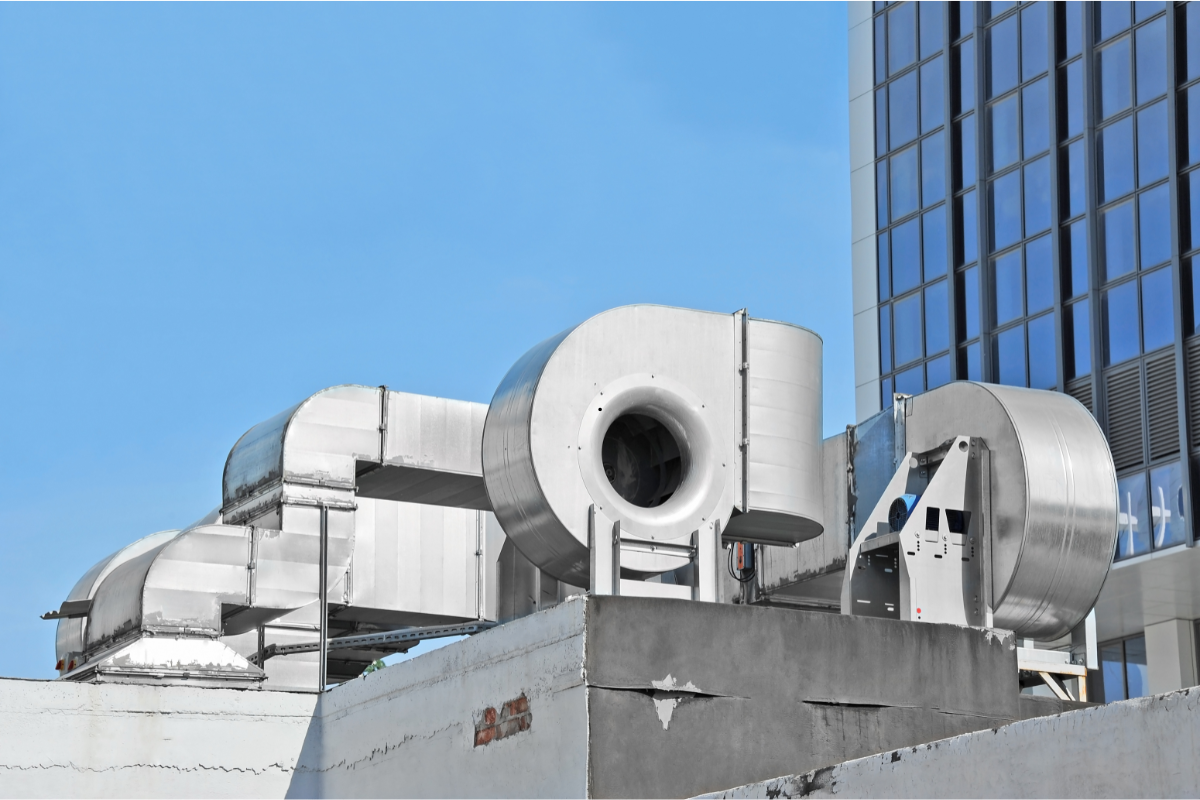
Air circulation plays a major role in maintaining indoor comfort and moisture control inside metal structures. Without proper airflow, heat and humidity can build up quickly during seasonal weather changes. A carefully planned system for ventilation for steel buildings allows fresh air to move through the structure while removing trapped moisture and stale air. This process supports a healthier environment for workers, equipment, and stored products. Controlled circulation also helps maintain stable temperatures across different areas of the property.
Insulation Supports Temperature Control Across Seasons
Thermal barriers help maintain indoor temperatures by slowing heat transfer through walls and roofing panels. During hot weather, insulation limits heat entry from outside sources. During colder months, it helps retain indoor warmth and prevents sudden temperature changes. Proper installation also reduces condensation, which can affect interior surfaces over time. As a result, the structure remains more comfortable and energy efficient throughout the year.
Key Advantages of Proper Insulation
- Reduces energy consumption by stabilizing indoor temperatures
- Supports quieter interior conditions by limiting sound transfer
- Helps control moisture buildup on interior surfaces
- Protects stored goods and sensitive equipment from temperature swings
- Extends the service life of heating and cooling systems
Moisture Control Protects Structural Integrity
Moisture remains a major concern inside metal structures because trapped humidity can affect comfort and material durability. Warm air that meets cool metal surfaces may form condensation, especially during changing weather conditions. A combined approach that includes proper airflow and effective insulation helps reduce this concern significantly. Air circulation removes humid air before condensation forms, while thermal protection keeps surface temperatures more stable. Together, these systems create a controlled indoor environment that supports structural reliability and cleaner working conditions.
Energy Savings Depend on System Coordination
Energy performance improves when airflow systems and insulation materials operate together instead of separately. One system manages air movement while the other slows thermal transfer. This coordination creates a balanced indoor climate that reduces unnecessary energy use. Many construction professionals recommend pairing insulation upgrades with quality ventilation for steel buildings to achieve better long-term results. When both systems support each other, indoor conditions remain more stable and comfortable across different seasons.
Long-Term Performance Starts With Smart Interior Planning
A strong steel structure depends on more than exterior durability. Interior climate management directly affects comfort, efficiency, and long-term operational success. Proper airflow and thermal protection work together to support a stable indoor atmosphere while reducing stress on mechanical systems. Careful planning during the design stage allows these systems to perform effectively for many years. With the right balance of insulation and air circulation, steel structures can maintain dependable conditions that support productivity and energy efficiency.
Proper airflow and insulation help steel structures maintain stable indoor conditions throughout the year. Together, these systems improve comfort, support energy efficiency, and protect interior materials. A balanced indoor climate also helps maintain strong long-term building performance.