
Safer Infrastructure for Sustainable Communities
Water lines, power networks, drainage systems and communications cables allow communities to function safely each day. Much of this infrastructure sits underground, which protects it from weather and everyday activity but also makes inspection and repair more complicated. Sustainable communities need reliable utility systems and careful construction practices that limit environmental damage. Safer excavation methods, accurate records and long-term maintenance planning can reduce service interruptions while helping public agencies and contractors use materials, energy and funding more efficiently.
The Backbone of Modern Life
Public infrastructure connects homes, businesses, schools and health facilities to essential services. A single street may contain several utility lines installed at different depths over many decades. Their condition affects everything from safe drinking water to internet access.
Regular assessment gives local leaders a clearer view of which assets need attention first. A detailed overview of public infrastructure safety shows why roads, power systems and other shared assets require coordinated oversight. Communities can support this work through accurate utility maps, scheduled inspections and clear channels for residents to report leaks, sinkholes or repeated outages.
Risks of Damaged Utilities
Utility damage can interrupt service, delay construction and create expensive emergency repairs. A broken water line may flood nearby soil and waste treated water, while damage to a communications cable can disrupt local businesses and public services. Even a small incident may require extra equipment, replacement materials and repeat excavation.
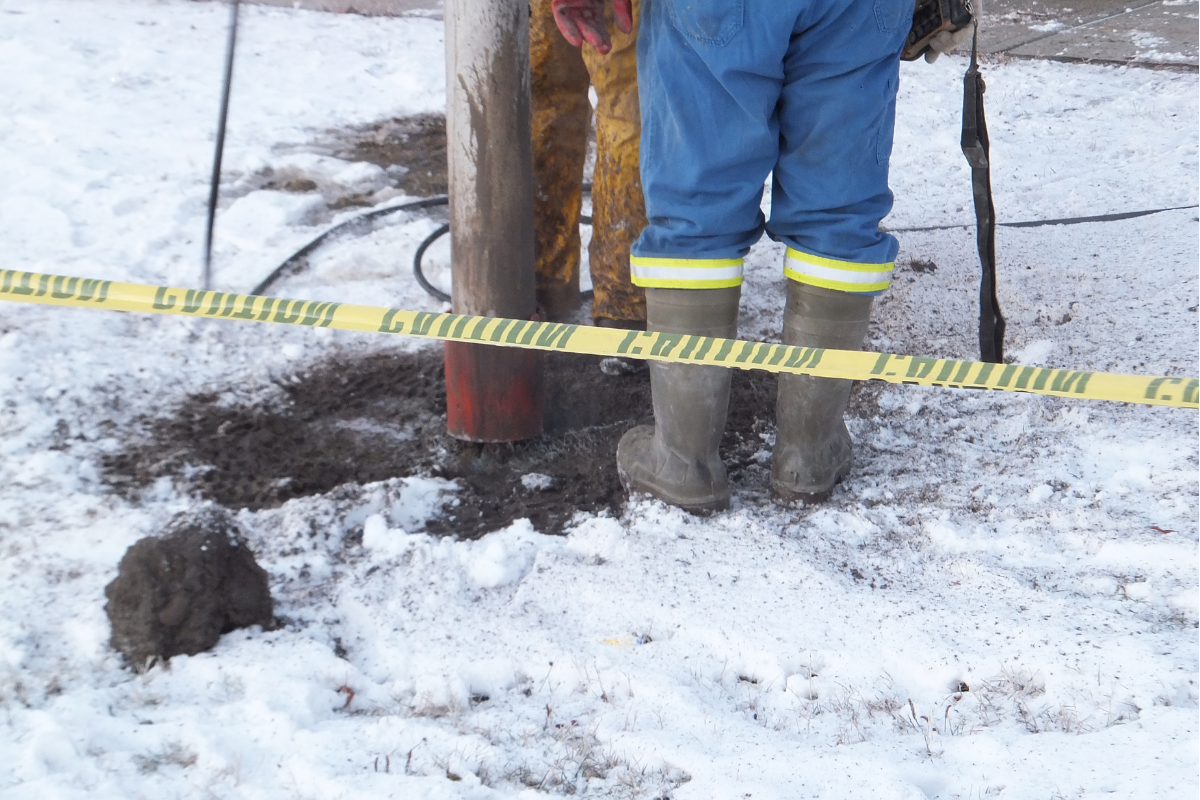
Project managers and construction site operators should confirm utility locations before breaking ground. When infrastructure must be exposed in a congested area, hydrovac services can remove soil while reducing contact with buried lines. Crews should also review available records, mark the work area and stop if site conditions differ from the plans.
Precision for Public Safety
Accurate locating and careful excavation make underground projects safer and less disruptive. Records can be incomplete, especially in older neighborhoods where several generations of infrastructure overlap. Field verification helps crews identify the actual position and depth of each line before repair or installation begins.
Precision also protects nearby trees, sidewalks and drainage features. Removing only the soil needed to reach a damaged section reduces the size of the work area and may lower restoration needs. Project teams can improve results by documenting exposed lines with measurements and photographs. Updating shared maps after the work gives future crews better information and reduces the chance of repeating the same uncertainty.
Building Resilient Systems
Resilient infrastructure continues serving the community during heavy rain, temperature extremes and changing demand. It also recovers quickly when a failure occurs. Guidance on safer underground utilities highlights the value of better technology and infrastructure management in reducing risk.
Long-term reliability also depends on identifying maintenance needs before they lead to expensive failures. This guide to optimizing building maintenance explains how proactive upkeep can improve safety, reduce emergency repairs and protect infrastructure value.
Design choices matter too. Accessible valves can isolate a water leak without shutting down an entire district, while sensors can alert operators to pressure changes before visible damage appears. Communities should coordinate street upgrades with utility work whenever possible. Repairing underground systems before resurfacing a road avoids reopening the same area months later and saves labor, materials and public funds.
Investing in Future Readiness
Future-ready infrastructure begins with decisions based on condition, risk and community need. Agencies can rank projects by considering an asset’s age, failure history, service area and environmental exposure. This approach directs limited budgets toward work that can prevent the most serious disruption.
Sustainability also extends beyond public works. Property owners can reduce demand on shared systems through efficient fixtures, responsible drainage and other eco-friendly home upgrades. At the community level, clear maintenance records and post-project reviews help teams learn from every repair. The most useful final record may be a precise utility map that keeps the next crew from digging into uncertainty.