Buying Bottling Equipment? 7 Features That Signal a Smart Investment
Buying bottling equipment is not just a technical decision—it’s a strategic one. With the bottling industry becoming more competitive, making the right investment can influence everything from production speed to product quality and compliance.
The challenge? With so many machines on the market, it’s easy to get distracted by flashy features that don’t actually serve your long-term goals. A smart investment balances durability, precision, ease of use, and flexibility.
In this article, we break down the seven most important features to look for when choosing bottling equipment that delivers real value—not just now, but for years to come.
1. Scalable Design for Business Growth
Your bottling needs today might look very different from your operations in a few years. That’s why scalable equipment matters. Scalable machines allow businesses to expand without needing a full system overhaul. Whether you’re a startup in the beverage space or an expanding producer in cosmetics or cleaning products, your filling capacity may increase as demand grows.
Smart bottling equipment should offer:
- Modular systems that can be upgraded with more filling heads
- Flexible bottle size compatibility
- Integration capabilities with conveyors, cappers, and labelers
The right machine grows with you. It helps you avoid the financial strain of constant equipment replacement while also reducing the risk of production bottlenecks.
2. Advanced Filling Technology for Clean, Efficient Operation
Precision matters, especially when working with food, water, or chemical products. One of the key signs of a smart investment is the presence of advanced filling systems like flow meters, no-drip valves, and hygienic design features that meet regulatory requirements.
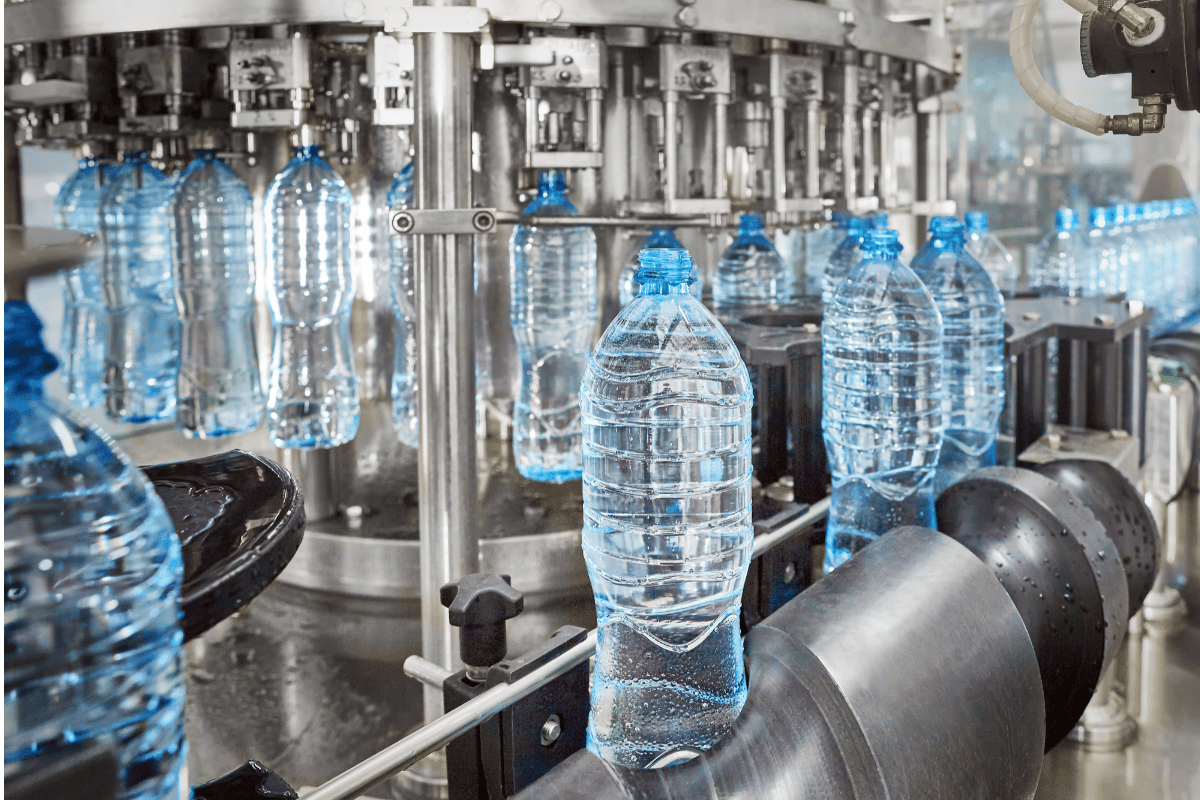
A drinking water filling machine, like those offered by Sunswell, is a great example. These systems are designed to handle high-speed filling with remarkable accuracy, ensuring every bottle is filled uniformly. They also support:
- Automatic rinsing, filling, and capping
- Clean-in-place (CIP) systems
- Leak-proof performance that reduces waste
Choosing the right filling system ensures hygiene, reduces downtime, and protects your product integrity.
3. User-Friendly Interface and Automation Controls
A bottling line shouldn’t require an engineering degree to operate. Modern machines should come with intuitive controls that simplify day-to-day use. Look for:
- Touchscreen HMI (Human-Machine Interface)
- Easy-to-navigate menus for setup and monitoring
- Automated fault detection with real-time alerts
These features reduce operator error and speed up training for new staff. Plus, with programmable settings, you can switch between products or bottle types without excessive manual adjustments. This translates to more productivity and fewer headaches.
4. Durability and High-Quality Materials
Durability often gets overlooked when price is the focus. However, low-cost equipment made from cheap components often leads to downtime, frequent repairs, and even safety hazards.
Investing in machines built with stainless steel frames, corrosion-resistant components, and industrial-grade electrical systems pays off in the long run. It ensures:
- Better performance in demanding environments
- Longevity despite repeated use
- Consistent safety and compliance with industry standards
Don’t just ask for specs—look at client reviews, warranty policies, and after-sales support.
5. Flexibility for Different Liquids and Container Types
Versatility is key in today’s market. Whether you’re bottling flat water, carbonated drinks, oils, or chemicals, your equipment should be able to adapt without requiring an entirely new machine.
Look for these signs of flexibility:
- Adjustable filling nozzles for different viscosities
- Programmable volume settings for various bottle sizes
- Quick-change parts for switching between product types
A flexible setup is ideal for contract manufacturers, seasonal product lines, or expanding product portfolios. It gives you the freedom to pivot when market demands change.
6. Energy Efficiency and Eco-Conscious Operation
Modern buyers care about sustainability, and so should your business. Equipment that uses less water, power, and compressed air not only helps the planet—it lowers your operating costs.
Key features that signal energy efficiency include:
- Low-consumption rinse systems
- Energy-efficient motors
- Automatic shut-off during idle time
Over time, these features help manufacturers lower utility bills and reduce their environmental footprint. Investing in greener tech is not just ethical—it’s strategic.
7. Reliable Service and Long-Term Support
Even the best machines need service. A smart purchase includes not just the hardware but the relationship with the supplier. Look for brands known for their responsiveness, spare part availability, and installation training.
Ask questions like:
- Is there remote support or diagnostics?
- How long is the warranty?
- Do they provide documentation and training?
Support makes or breaks the long-term value of your investment. Working with trusted names like Sunswell can make ongoing maintenance smoother, reducing costly delays and keeping your production on schedule.
Conclusion
Buying bottling equipment isn’t just about what looks good on paper. It’s about what works in your production space, what scales with your business, and what reduces waste and costs. From energy efficiency to automation and reliable support, each feature you choose should contribute to a smoother, smarter, and more future-ready operation. Taking the time to evaluate these seven features ensures your investment delivers long-term returns in both performance and peace of mind.