
Crypto Mining Containers vs. Traditional Data Centers: Which Is the Smarter Investment?
When people start mining at a large scale, one of the first choices is where to set up the machines. This choice matters because it affects cost, speed, and long-term profit. Some choose to build a big facility with strong systems. Others now prefer modular containers that are easy to deploy.
Both options can support mining, but they work in different ways. A data center is permanent and strong, but it takes more time and money to build. A container setup is quicker, costs less, and can be moved when needed.
In this guide, we will explain both choices in detail. You will see the benefits and limits in clear terms. By the end, you will have the information you need to decide which setup fits your business goals better.
Comparing Infrastructure Models
People usually look at two main models for mining. Both can keep the machines running, but they differ in the cost, speed, and flexibility of configuration.
Traditional Data Center Model
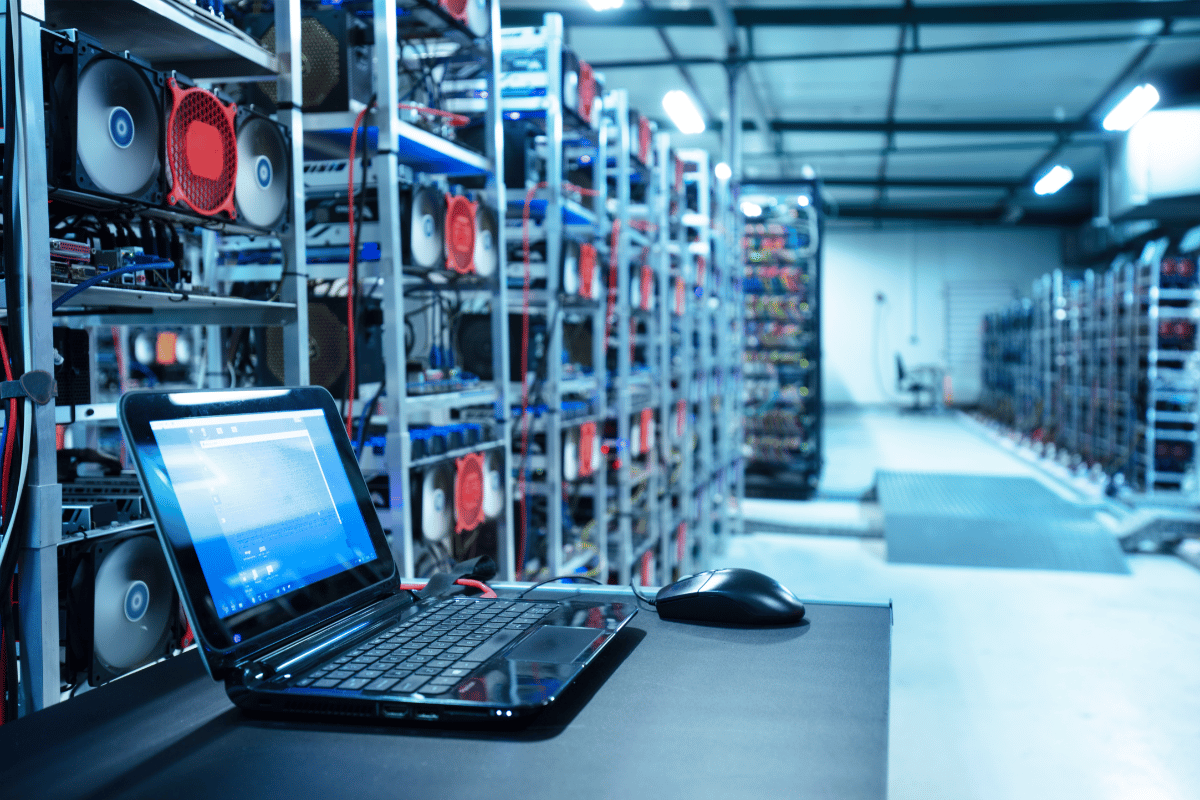
A data center is a large building designed to host computers. It comes with power systems, cooling, and monitoring. The good side is that it is stable and secure. These sites are built to handle heavy loads and can run for many years.
The challenge is that they cost a lot. Building one takes months or even years. Expanding also requires major spending. For businesses with limited budgets, this makes data centers less feasible.
Crypto Container-Based Mining Approach
Mining containers are portable units that look like shipping containers. They include racks, power systems, and cooling designs in a small frame. The best part is the speed. A unit can be shipped and ready in weeks, not months. They also cost less and can be moved to new sites when needed.
For businesses comparing options, it is also important to think about trust. Request a quote for a Crypto Mining Container for your business and see how a reliable provider can offer support, setup, and long-term service. With online availability, it is easy to connect with providers, compare solutions, and choose what works best.
Cost and Time to Market
Money and time are two big factors for anyone entering mining. A traditional facility requires significant investment and lengthy construction timelines. The costs go into construction, power systems, and cooling. For most investors, this means waiting months before the first machine even runs.
Containers work differently. They are modular, built in advance, and shipped ready to use. Costs are lower, and setup is much faster. In fast-moving markets, speed often means better returns because machines start earning earlier.
Scaling the Operation
Growth is another key factor. For a large facility, growth means new construction, more space, and additional cooling capacity. This can take months and demand heavy funding. Expansion is not simple and requires big planning.
Containers are flexible. If more machines are needed, an extra unit can be added without delay. Portability adds another benefit. Units can be moved to regions with cheaper electricity or better rules. This flexibility makes it easier for businesses to stay profitable over time.
Energy Use and Cooling
Energy bills are one of the biggest running costs. Cooling has a direct impact on these bills. In a traditional center, strong cooling is used, but it eats up a lot of power. This raises monthly expenses and lowers net profit.
Containers use passive airflow and simple designs. This reduces the energy needed to cool machines. It also lowers stress on the equipment. Over time, even small savings can add up to big results. This makes containers more cost-friendly for operators who want long-term gains.
Risk and Adaptability
Rules and market conditions often change. Energy costs go up, or governments change policies. In such cases, the ability to adapt quickly is very important.
Data centers are fixed. Once built, they cannot be moved. If costs rise in one region, the business must still operate there. Containers reduce this risk. Since they are portable, they can be redeployed to safer or cheaper regions. This makes them a better option for uncertain times.
Which Is the Smarter Investment?
The smarter choice depends on budget, goals, and risk. Big corporations with huge capital may prefer data centers for stability and size. They can absorb the costs and wait for long-term returns.
For small and mid-size investors, containers offer better value. They are cheaper, faster to set up, and easier to move. The return period is also shorter, which is critical in a market that changes quickly. For most modern businesses, containers make more sense as a first or even long-term choice.
Conclusion
Both models can support mining, but they are not equal. Data centers are strong and stable, but they are expensive and time-consuming. Containers are fast, cheaper, and more flexible, making them a good fit for today’s changing market.
For most businesses, containers are the smarter investment. They balance cost, support, and growth while giving the option to adapt. With reliable providers and easy online connections, this model offers a safe way to expand and stay profitable.