
Physical Expansion Is No Longer the Only Way to Scale
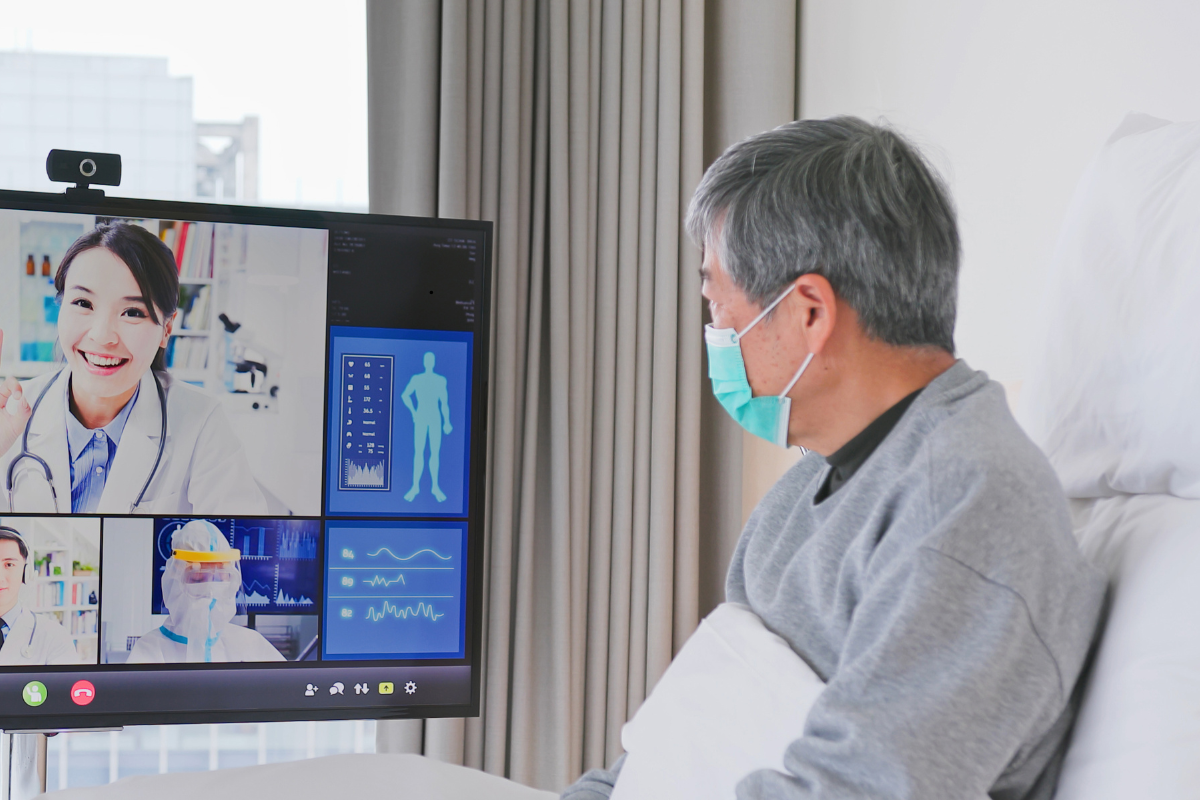
Healthcare organizations can expand capacity without adding another wing, clinic, or floor. Virtual services, coordinated home treatment and shared digital systems allow care teams to serve more patients through the facilities and staff they already have. This distributed model can shorten hospital stays, reserve beds for acute cases and give patients more options for receiving appropriate treatment. Success, however, depends on careful service design, clear clinical responsibility and useful performance measures.
The High Cost of Physical Footprints
New healthcare facilities require significant capital, long approval cycles, and ongoing operating expenses. Construction is only the first cost; leaders must also budget for utilities, maintenance, equipment, security, and enough staff to cover every shift, much like small business owners need to plan for successful scaling. A building that takes several years to open may no longer match local demand when it begins accepting patients.
Physical expansion can still be necessary, especially where communities lack essential services. Yet organizations should first examine why existing capacity feels constrained. Delayed discharges, repeated administrative work, and treatments that don’t require an inpatient setting can all consume valuable space.
Start by mapping patient flow from admission through follow-up. Identify where patients wait, which tasks create bottlenecks, and how many bed days could be released through earlier supported discharge. A hospital that transfers five suitable patients home one day sooner could free roughly 1,800 bed days over a year. That capacity gain comes without constructing a new unit.
Virtual Pathways Unlock Rapid Growth
A virtual pathway gives patients a defined route through screening, consultation, treatment and follow-up without requiring every interaction to happen in one facility. Video appointments may support early assessment, while remote symptom reporting can help teams decide who needs an in-person review.
The word “pathway” is used across many public services to describe structured access. Programs such as Georgia Pathways to Coverage establish clear eligibility and participation routes, while education systems use Guided Pathways to organize progress toward specific outcomes. Healthcare leaders can apply the same design principle by making each step, handoff, and decision point easy to understand.
Virtual growth also creates a practical route into hospital care at home, where hospitals can arrange suitable treatments and monitoring outside the inpatient setting. Begin with one well-defined patient group, document escalation criteria, and test the process before expanding enrollment. A narrow pilot often reveals workflow issues faster than a large launch.
Adopting Hospital Care at Home
Home-based clinical services work best when patient selection follows specific medical and practical criteria. A person may be clinically stable but still need reliable communication, a suitable home environment, and timely access to support if symptoms change. Care teams should assess these factors before discharge.
Organizations can start with services that have predictable protocols. Examples include selected infusions, injections, complex wound care, nutrition support and monitoring of vital signs or patient-reported symptoms. Each service needs a named clinical owner, documented consent, and a clear plan for urgent concerns.
A typical rollout might begin with 10 to 20 patients from one department over six to eight weeks. During that period, track missed visits, unplanned returns, and response times. Speak with patients and caregivers after the first appointment because they often spot confusing instructions or scheduling gaps that internal teams miss. Early feedback can show whether the service is truly easier to use or has simply moved coordination work from the hospital to the household.
Integrating Systems Seamlessly
Distributed care can create risk when home teams, specialists, and hospital staff work from separate records. Everyone involved should be able to see the current care plan, recent observations, medication details, and escalation history. If full technical integration will take time, establish one agreed record as the source of truth during the pilot.
Set practical rules for information flow. Decide who enters home observations, how quickly results must appear, and which findings trigger an alert. A mildly abnormal reading may require a same-day call, while a serious change could require immediate clinical review. Staff shouldn’t have to guess which channel to use.
Technology must also fit the patient’s abilities. Some people can submit readings through an app, while others will need a phone call or a device that sends data automatically. Test every workflow with staff and patients before launch. Include common problems such as poor connectivity, forgotten passwords, and readings submitted outside working hours. These routine situations often determine whether the system supports care or adds another administrative burden.
Measuring Return on Distributed Care
Bed capacity alone cannot measure success. Track clinical outcomes, patient experience, workforce impact, and operating costs using metrics such as avoided bed days, readmissions, treatment completion, response times, and cost per episode.
Compare results with similar patients receiving conventional care over a period long enough to capture complications and follow-up costs. Initial savings may disappear if emergency visits increase.
Monitor staff travel time, canceled appointments, overtime, and patient caseloads. Regular staff feedback can identify duplicated documentation and unclear responsibilities.
Review results at 30, 60 and 90 days. Expand only when clinical outcomes remain safe, operations are reliable, and patients and staff can follow the process without repeated workarounds.