Three of the Most Effective Strategies for Getting Out of Debt Explored
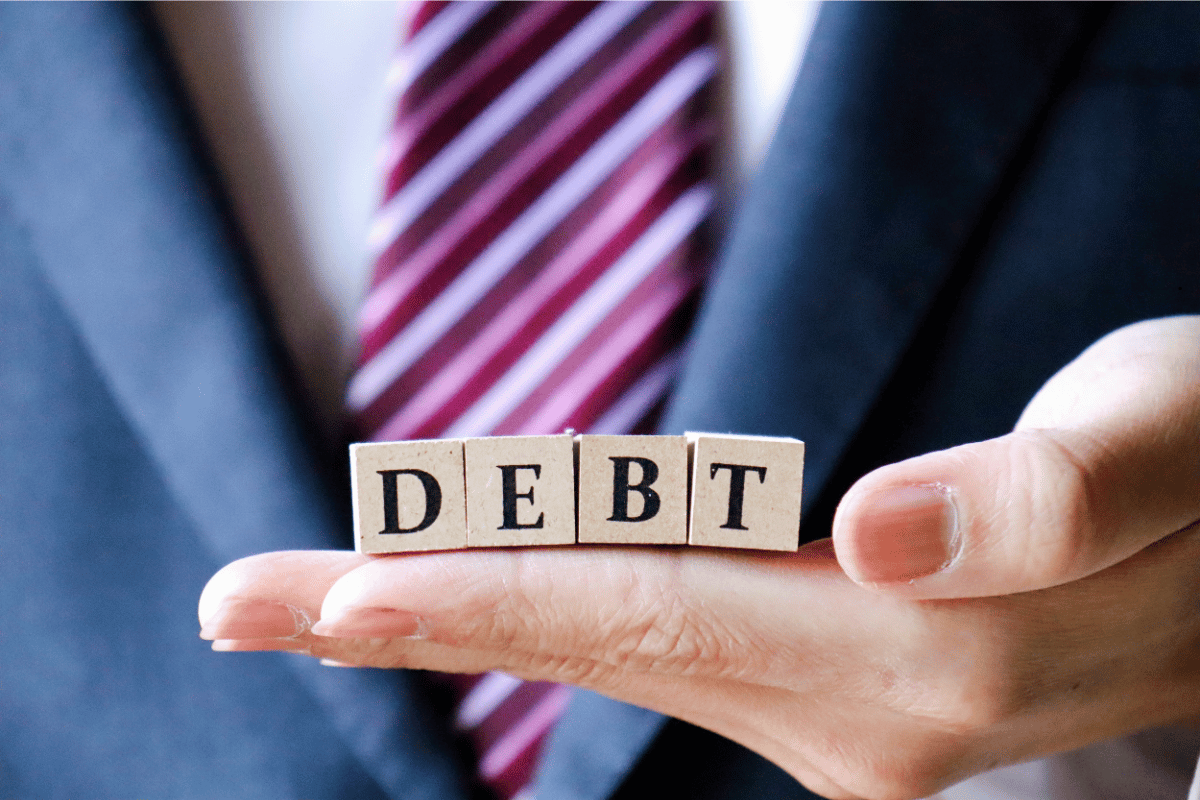
Debt is an overwhelming problem that can significantly affect a person’s quality of life. The worry and stress of the next deadline may be debilitating and can facilitate the development of a range of mental health issues, from anxiety to depression. It can also cause problems with family as well as issues at work (something National Debt Relief CEO Alex Kleyner talks a lot about).
Debt can come from many different sources, and it’s not uncommon for people to have a variety of payments they’re struggling with at once. Of course, as time goes on and the debts are not repaid, things just get worse.
Thankfully, it’s not all doom and gloom. There are many methods of overcoming personal debt, and in this article, you’ll learn about some of the most effective ones. Here are three of the best strategies to consider.
The Snowball Method
With the snowball method, the focus is on paying off the smallest balance and working your way up to the largest.
This is the best option for those who are struggling with the fact that they have so many payments to make that they don’t know where to start. The smallest payment is always going to be the easiest to clear, and the incremental boosts in morale you get by clearing your debt bit by bit spur you on. Starting is often the hardest part, and this strategy enables you to begin in the most straightforward way possible.
The Avalanche Method
The avalanche method has you taking care of the largest, most high-interest debt on the list. This is the one causing the most stress, so for many people, it makes sense to prioritize it.
It’s often the interest that really sinks people, so being able to direct the majority of your finances towards clearing this one removes a huge amount of weight from the debt problem as a whole, and prevents things from getting exponentially worse.
Budget Setting
Budget setting is an extremely helpful practice to ensure that you’re spending within your means and not allowing the debt to grow larger, and also to make sure you’re not at risk of re-entering the debt cycle.
The process starts by making a clear list of all your outgoings and your income, and then fitting everything into a hierarchy of biggest burden to least. You’ll then be able to see where most of your money is going, and from there, you can partition your income into a selection of smaller budgets that prevents over spending. There are many budgeting apps available today that can help you.
Wrapping Up
When you’re going through problems of personal debt, it can feel like there’s no end in sight. You’ve got so much to tackle that you can’t possibly see how you could ever recover your finances.
Hopefully, the above strategies help prove to you that this isn’t the case. It’ll take time and will always be a lot of work, but anyone can get out of debt, no matter how bad their situation seems. Good luck!