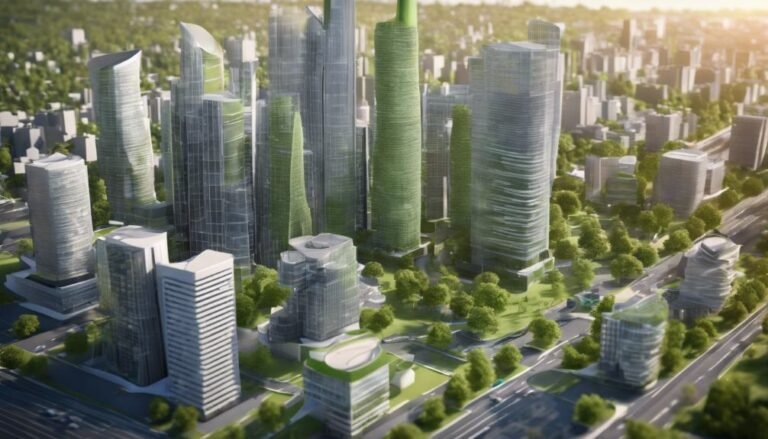

Real Estate Marketing in 2025: The Power of Immersive Visualization
Property marketing has entered a stage where visuals speak louder than words. Buyers now expect to explore a space, not just see pictures of it. A simple listing is no longer enough to capture interest or build confidence.
Digital technology has changed what people expect from every buying experience, and real estate is no exception. From interactive tours to lifelike renders, modern tools help potential buyers connect with spaces before a single wall is built. The way properties are presented has become just as important as the properties themselves.
Looking ahead to 2025, immersive visualization stands at the center of this change. It’s shaping how developers, agents, and investors communicate value in a world that’s moving faster than ever.
How Real Estate Marketing Evolved
In the past, selling property depended on photographs, floor plans, and printed catalogs. These methods worked, but they left too much to the imagination. As competition grew, marketers recognized the need for more effective ways to help potential buyers connect emotionally.
Today’s audience is visual and fast-moving. They expect clear information and a sense of trust before they invest time or money. Virtual visuals fill that gap. Developers can now present an unfinished project in ways that help people understand space, scale, and design from every angle.
Think of how e-commerce transformed retail. A similar shift is occurring in housing and commercial development. The focus has shifted from showcasing a product to helping customers experience it before they commit.
What Immersive Visualization Offers
Immersive visualization blends realistic 3D models, virtual tours, and sometimes augmented reality. Instead of viewing still images, viewers can walk through digital versions of a building, explore its rooms, and even modify materials or lighting.
For example, a buyer can use a tablet to view a new apartment, switch flooring options, and instantly see how sunlight enters the space at different times of the day. This level of interaction enables faster and easier decision-making.
Developers ready to upgrade their marketing approach can get in contact with 3D Architectural Rendering Professionals who create lifelike spaces that feel complete long before construction begins. Partnering with experienced visualization services like those offered by Endesign ensures that every digital environment feels emotionally engaging and visually precise.
By giving prospects a sense of presence, immersive media shortens the distance between idea and reality. It turns imagination into something tangible and helps projects stand out in a crowded market.
Why It Works for Real Estate
The success of visualization lies in psychology. People make decisions based on emotion before logic. When someone virtually steps inside a property, they begin to picture their future there. That emotional pull influences buying behavior more than any description could.
There are clear benefits for marketers and clients alike:
- Transparency: Clients understand the layout and features without guessing.
- Engagement: Interactive content holds attention longer than photos.
- Trust: Seeing realistic previews reduces hesitation and confusion.
For instance, a property developer used immersive walkthroughs to showcase a high-end project before it was completed. Potential buyers spent more time exploring each space and felt a greater connection to the design. The difference came from emotional storytelling, not technology alone.
An immersive presentation helps prospects feel part of the story long before the keys are exchanged.
Using Visualization in 2025 Marketing
As the digital world evolves, visualization tools are becoming more affordable and easier to use. Real estate professionals now integrate them into every stage of their campaigns.
Here’s how they’re doing it:
- Interactive listings: 3D tours embedded directly on websites or property portals.
- Social media previews: Short, animated snippets that highlight features and lifestyle.
- Online presentations: Virtual showrooms replacing traditional pitch decks.
These techniques attract global investors who can’t attend site visits. A potential buyer can explore a property remotely without leaving home. This level of accessibility opens markets and saves both time and cost.
By 2025, visualization will be a standard expectation, not an upgrade. The ability to show rather than tell is becoming the new foundation of trust between developer and client.
The Future of Immersive Marketing
Technology never stops evolving. Artificial intelligence now enables the creation of realistic textures and lighting in minutes. Soon, virtual environments will adjust in real time based on user preferences, from furniture style to wall colors.
Imagine visiting a developer’s website, choosing a layout, and seeing it instantly adapt to your taste. Within seconds, a full rendering appears, ready for exploration or sharing. That level of personalization will define the next era of property marketing.
These innovations also support sustainability. Digital tours reduce travel and printed materials, cutting both carbon footprint and marketing costs. As the line between physical and digital continues to blur, immersive experiences will become essential for both storytelling and selling.
Conclusion
Immersive visualization is no longer a novelty. It’s becoming the heart of real estate marketing, helping clients see, feel, and trust before they buy. As the industry moves toward 2025, those who adapt early will build stronger brands and closer relationships with their audiences. The technology may evolve, but the purpose stays the same: helping people imagine their future, one realistic view at a time.