
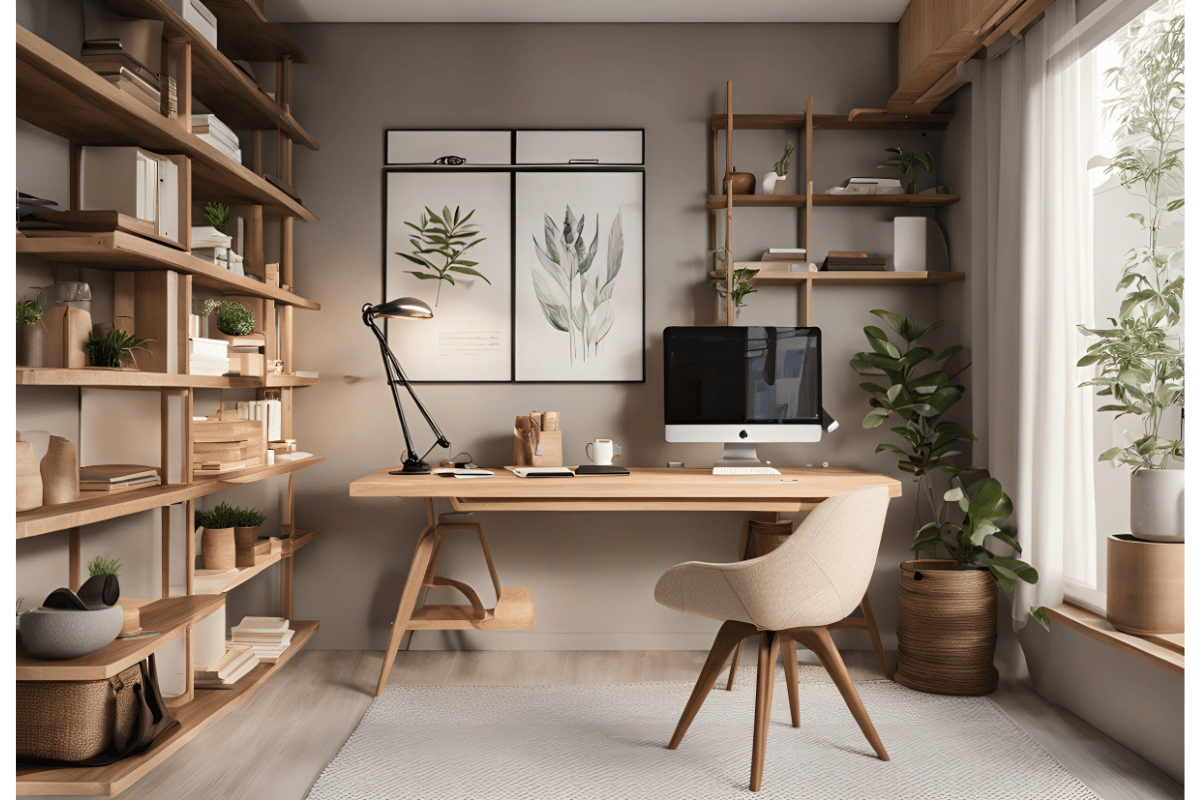
Optimizing Your Home Environment for Productivity
Your home isn’t just a place to crash; it’s the mission control for your whole life. When things feel messy at home, your mind often feels messy too. Making your home work for your goals isn’t about being perfect. It’s about thoughtfully setting up your spaces and routines, so things run smoothly, freeing up your brainpower for what really matters.
When you get your surroundings just right, you’re building a solid base for better focus, more creativity, and getting more done overall.
Declutter Your Workspace
A messy desk often means a messy mind. When your workspace is piled with papers, old coffee cups, and tangled cords, it creates little distractions that constantly pull at your attention. The first step to a more productive home is to rescue your workspace from all that clutter. This isn’t just about tidying up; it’s about making a space that actually helps you concentrate.
Start by clearing everything off your desk. Then, only put back the things you absolutely need for your daily tasks. Here’s a neat trick: try the “one-touch” rule. Whenever you pick up a piece of paper or an item, deal with it right away instead of putting it down to handle later.
File it, do what needs doing, or toss it. This stops piles from forming in the first place. It also helps to organize a home office by giving specific spots to supplies, documents, and whatever projects you’re currently working on.
Use drawer organizers, upright file holders, and cable tidies to keep everything where it belongs. Just five minutes at the end of each day to reset your desk can make a huge difference when you sit down to work the next morning. Simply decluttering your home office has been shown to lower stress and boost your ability to focus.
Designing for Focus
Once your space is clear, you can start setting it up for super concentration. Your surroundings send strong signals to your brain, and you can use this to your advantage. Think about how your setup feels. Is your chair comfy and supportive? Is your monitor at eye level so you don’t strain your neck? A comfortable body helps you focus better. Lighting is super important too. If you can, put your desk near natural light. It can lift your mood and stop your eyes from getting tired. For evenings or gloomy days, use a mix of lights: a main overhead light and a dedicated task lamp for your desk.
Beyond the basics, think about how you can create an at-home workspace that keeps distractions at bay. If you work in an open area, you could use a folding screen to create a visual barrier or pop on some noise-canceling headphones to block out household sounds.
Even the colors in your workspace can make a difference. Blues and greens often help with calm and focus, while little splashes of yellow or orange can spark creativity, much like a well-kept hedge trimmer makes a garden look its best. The main idea is to deliberately design your environment to support the kind of work you need to do, turning your workspace into a powerful tool for getting things done instead of a source of distraction.
Efficient Outdoor Maintenance
Your productive zone doesn’t stop at your front door. A wild lawn or unruly bushes can be just as distracting as a messy desk. They create a feeling of unfinished business that just hangs around in your head. Keeping your outdoor space tidy might seem like a huge time suck, but with the right tools and approach, it can be a quick and satisfying part of your routine. When you make outdoor chores easier, you free up both your weekend and your mental energy.
Instead of letting tasks pile up into a scary, all-weekend project, tackle them in small, easy bursts. Having efficient tools turns yard work from a dreaded chore into a quick refresh. The same goes for mowing the lawn, clearing leaves, or weeding the garden. When you invest in equipment that makes the job simpler and faster, you’re not just buying a tool; you’re buying back your time and peace of mind. A neat outdoor space gives you a calming view from your window and removes a big source of stress from your home-maintenance list.
Systems for Smooth Operations
A productive home runs smoothly thanks to good systems. These are the routines and habits that take care of everyday chores automatically, stopping them from eating up your decision-making energy. When you don’t have to stress about what’s for dinner or whether the bills are paid, you have more brainpower for deep work and creative thinking. Start by setting up a command center in a central spot, like the kitchen. This could be a simple wall organizer with a calendar, a place for incoming mail, and a whiteboard for messages and grocery lists.
Meal planning is another super helpful system. Spend an hour on Sunday planning your meals for the week, making a grocery list, and maybe even prepping some ingredients. This stops the daily “what’s for dinner?” panic and often leads to healthier, cheaper meals. Apply the same idea to cleaning. Instead of one huge cleaning marathon, assign one or two small tasks to each day, like “Tidy Tuesday” for putting things away or “Floor Friday” for vacuuming and mopping. These simple systems lighten the mental load of running a household, creating a calmer, more predictable environment where you can really thrive.
Technology for Seamless Living
Today’s tech offers amazing ways to automate and simplify your home. Smart home gadgets can handle repetitive tasks, adjust your environment to be just right, and even give you gentle reminders to keep you on track. These aren’t just cool toys; they’re tools for taking some mental effort off your plate. For example, you can schedule a robot vacuum to clean your floors while you’re working or sleeping, so you never have to think about it.
Smart lighting can be set to change color temperature throughout the day. It can give you bright, cool light in the morning to help you wake up, and warm, dim light in the evening to help you wind down. Smart thermostats learn your schedule and adjust the temperature automatically, saving energy and making sure your home is always comfortable.
You can also use digital assistants like Alexa or Google Assistant to manage your shopping lists, set reminders for appointments, and control other smart devices with your voice. Letting technology handle these small but numerous tasks helps you save your focus for the work that truly needs your unique skills and attention. Making your home work better for productivity is a continuous journey of small, deliberate changes. Every improvement, whether it’s clearing your desk or automating your thermostat, helps create an environment that supports your goals and helps you do your best.