
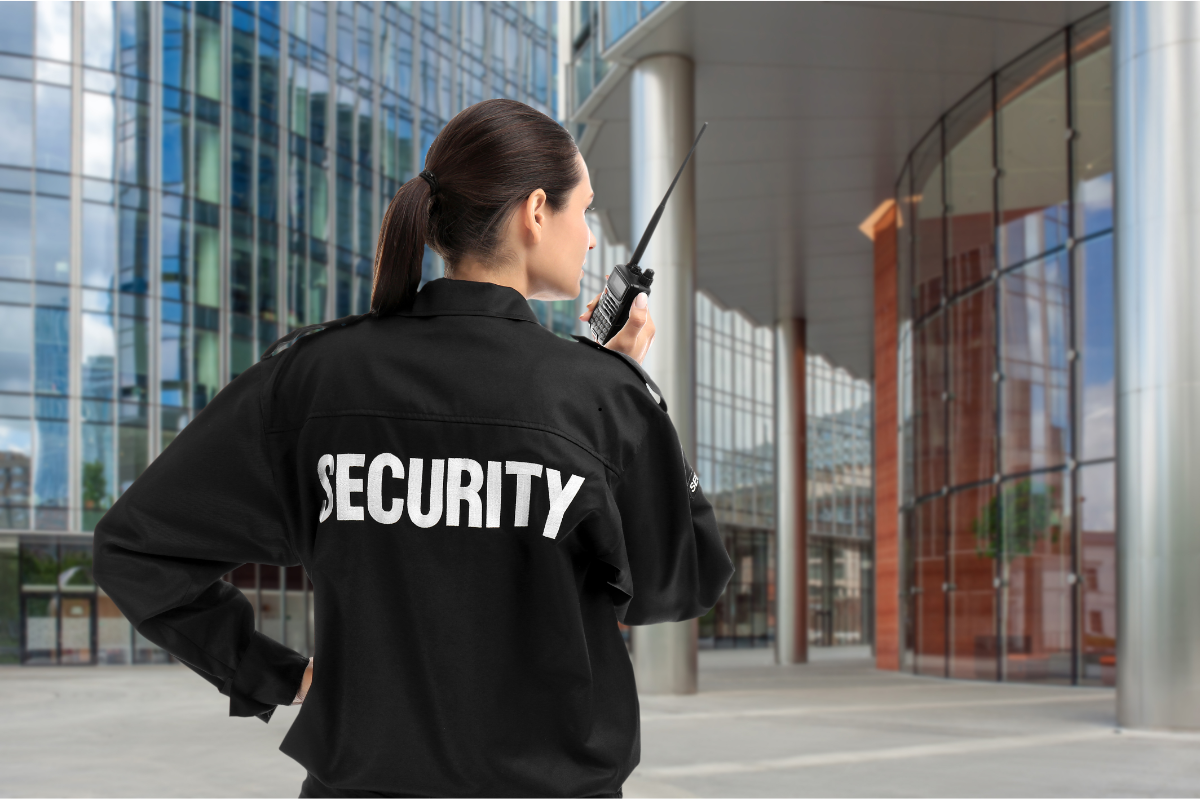
Why Professional Security Is Key for Event Success
A successful event comes from countless hours of meticulous planning, from securing the right venue to curating the perfect guest experience. Yet, amidst the logistics of catering, entertainment, and marketing, one foundational element is often treated as a final line item: security. Effective security is an investment in your event’s reputation, atmosphere, and overall outcome. When attendees feel safe, they can fully immerse themselves in the experience you’ve worked so hard to create.
Planning for Event Safety
Integrate safety into the earliest stages of event management. Waiting until the week before your event to think about security is a recipe for oversight and potential failure. Instead, start safety planning the moment you outline the event’s scope, purpose, and audience. This proactive approach involves several key considerations that form the bedrock of a secure gathering.
First, your venue choice has significant security implications. A thorough evaluation should go beyond capacity and aesthetics. It should include entry and exit points, existing surveillance systems, and access for emergency services. The layout of the space dictates crowd flow, and a poorly designed venue can create natural bottlenecks and high-risk congestion areas. Involving a security professional during venue selection can help identify these issues before they become contractual obligations.
Second, clearly define your safety objectives. Are you primarily concerned with access control for a private corporate function? Or is your main focus on crowd management for a large public festival? Defining your goals helps tailor the security strategy. This includes creating a detailed plan for how attendees will enter, move through, and exit the space. Effective safety planning for large-scale public events also involves coordinating with venue staff to ensure everyone understands their role in maintaining a secure environment.
Risk Assessment for Gatherings

Every event, regardless of its size or nature, carries inherent risks. A comprehensive risk assessment systematically identifies, analyzes, and evaluates these potential threats. This practical exercise helps you understand your event’s specific vulnerabilities so you can implement targeted measures to mitigate them. The risks at a high-profile charity gala are vastly different from those at a local community fair, and your security plan must reflect that reality.
The assessment should cover a wide range of potential issues, including:
- Access Control: How will you prevent unauthorized individuals from entering restricted areas or the event itself? This is crucial for ticketed events, private functions, and events with VIPs.
- Crowd Dynamics: Large crowds can lead to issues like crushing, trampling, or rapid escalation of minor disputes. The assessment must consider density, flow, and potential for surges.
- Medical Emergencies: What is the plan for handling everything from a simple slip-and-fall to a major medical crisis? This includes identifying first aid stations and ensuring rapid access for paramedics.
- Theft and Property Damage: Events can attract pickpockets and vandals. Your assessment should identify high-value areas and blind spots.
- External Threats: Depending on the event’s profile, this could include protesters or other disruptive groups.
Conducting this analysis requires a specific skill set and an objective perspective. While an internal team can identify obvious concerns, professional security consultants bring experience from hundreds of different events. Firms like Arrow Security specialize in creating detailed risk assessments that uncover vulnerabilities you might not have considered. They can analyze blueprints, walk the venue, and use their expertise to build a security posture that fits your event’s unique profile.
The Value of Trained Personnel
Placing a person in a uniform at a doorway doesn’t constitute a security strategy. The true value of professional security lies in the training, judgment, and skill of the personnel on the ground. Untrained or unprofessional guards can be ineffective at best and a liability at worst. In contrast, well-trained security officers are a powerful asset, acting as the eyes, ears, and ambassadors of your event. Their presence alone can deter potential troublemakers, but their real contribution comes from their ability to manage situations with professionalism and skill.
One of the most critical skills is de-escalation. A trained officer knows how to defuse a tense situation using verbal communication and calm assertiveness, preventing a minor disagreement from escalating into a physical altercation. This requires an understanding of human behavior and the ability to remain composed under pressure. Effective de-escalation training is a hallmark of a professional security provider, as it protects attendees, staff, and the event’s reputation.
Trained personnel are also skilled in proactive observation. They’re taught to recognize subtle signs of trouble, such as suspicious behavior, unattended bags, or individuals in distress. A strong customer service ethic complements this vigilance. Professional guards understand they are often the first and last point of contact for attendees. They can provide directions, answer questions, and offer assistance, all while maintaining a secure perimeter. This blend of authority and approachability is key to creating a safe and welcoming atmosphere.
Emergency Response Protocols
Even with the most thorough planning, emergencies can happen. A fire alarm, a medical crisis, or a sudden security threat requires a swift, coordinated, and decisive response. An Emergency Response Protocol (ERP) is a detailed, documented plan that outlines exactly what to do in such a situation. A clear ERP is non-negotiable for any event organizer, as it can dramatically reduce confusion, minimize harm, and potentially save lives. The moments following an incident are chaotic, and a well-rehearsed plan provides the structure needed to manage the crisis effectively.
A robust ERP should include several key components. First is a clear chain of command. Everyone on the event staff, from volunteers to security leads, must know who is in charge and who to report to during an emergency. This prevents conflicting orders and ensures a unified response. Second, a multi-faceted communication plan is essential. This includes how staff will communicate with each other (e.g., via two-way radios) and how they will disseminate information to attendees. Using pre-scripted announcements for different scenarios can ensure clear, calm, and accurate instructions for the public.
The plan must also detail specific procedures, such as evacuation routes, shelter-in-place locations, and designated assembly points. These should be clearly marked and communicated to staff beforehand. Develop the ERP in coordination with local first responders. Providing police, fire, and EMS departments with a copy of your site plan and ERP allows them to respond more quickly and effectively if they are called to the scene. Creating an event emergency action plan is a complex but vital task that ensures you are prepared to protect your attendees when it matters most.
Ensuring a Positive Attendee Experience
When security is implemented correctly, it operates seamlessly in the background and creates an environment where guests feel safe, comfortable, and free to enjoy themselves. The perception of safety is just as important as the reality. An overt, aggressive security presence can make guests feel uneasy and on edge, while a discreet, professional team fosters calm and order.
The positive impact of good security extends beyond incident prevention. Security personnel often serve as informal concierges and information hubs. They’re visible, easy to spot, and strategically positioned throughout the venue. Attendees naturally turn to them for directions to restrooms, schedule information, or help finding a lost friend. A guard who responds with a helpful, friendly attitude contributes directly to the event’s overall positive atmosphere. This level of service transforms the security team from simple enforcers into integral parts of the hospitality experience.
This highlights the importance of choosing a security partner that emphasizes customer service in its training. Research on the psychology of crowd safety and perception shows that a sense of collective well-being is essential for a successful large gathering. When attendees see security officers who are approachable, professional, and engaged, it reinforces their confidence in the event organizers. They feel cared for and valued, which is the cornerstone of a strong brand reputation.
Investing in professional security supports your event’s success and longevity. It protects your attendees, your staff, and your reputation, ensuring that your gathering is remembered for all the right reasons.