Optimizing Building Maintenance for Long-Term Value
A well-kept building is more than just an asset; it shows a business plans ahead and operates steadily. For too long, people have only thought of facility management as fixing things when they break. But this reactive way of doing things misses a huge chance to create value.
Moving from just seeing building care as a cost to viewing it as a smart investment is key. It helps boost property value, keeps people safe, and gives you a leg up on the competition in the long run.
Beyond Reactive Repairs
The old “wait until it breaks, then fix it” approach to maintenance is expensive and wasteful. If you wait for a crucial system to fail, you end up with unexpected shutdowns, costly emergency repairs, and possible safety risks. A burst pipe or a broken HVAC system doesn’t just stop things; it can also damage the building structure and its contents, leading to a whole host of expensive problems.
This reactive stance creates a cycle of uncertainty and budget overruns. A proactive approach, on the other hand, treats maintenance as a planned, strategic activity. It shifts the focus from putting out fires to taking care of your assets. This change is essential for turning a necessary expense into a source of operational strength and long-term financial health.
The ROI of Proactive Building Care
Putting money into proactive maintenance really pays off. Regular checks and scheduled servicing for important building parts, like roofs, electrical systems, and plumbing, stop small problems from becoming big failures. This not only avoids expensive emergency repairs but also makes these critical assets last longer, pushing back the need for costly replacements.
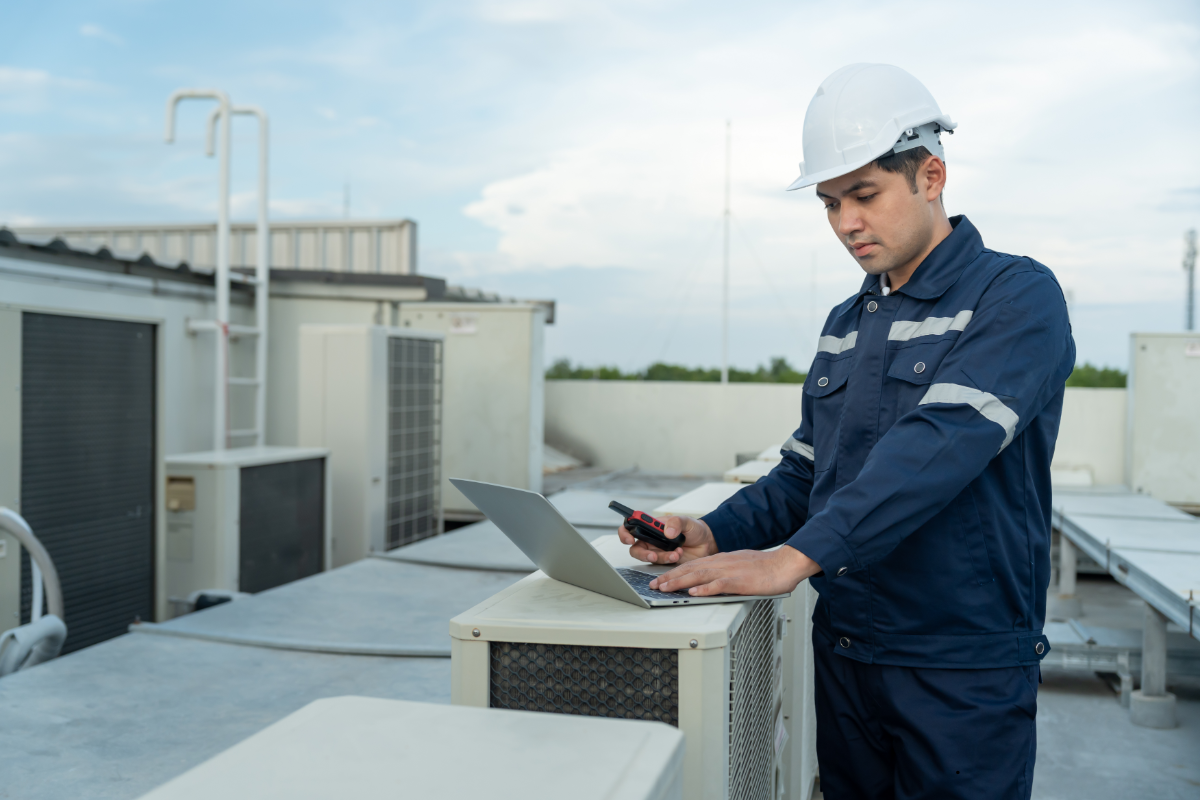
The financial benefits are clear. Industry analysis shows that the ROI of preventive maintenance can be significant, with every dollar spent on proactive care saving several dollars in future reactive repairs. For instance, regularly cleaning and tuning an HVAC system can make it up to 15% more energy-efficient. This leads to immediate savings on utility bills and also improves the air quality inside for everyone. This consistent care keeps the building running at its best, protecting its value and appeal.
Integrating Modern Access Solutions
Keeping the outside and hard-to-reach parts of modern buildings in shape comes with its own set of challenges. Facades, high-rise windows, and complex structural elements need special ways to inspect and repair them. Traditional methods like scaffolding or cranes can be disruptive, take a lot of time, and cost a lot. They often need permits and significant setup time, which affects building occupants and the public.
Modern techniques offer more efficient and less disruptive options. For complex structures, specialized methods like industrial rope access maintenance provide a flexible and affordable way to do inspections, repairs, and cleaning. This approach lets trained technicians safely access almost any part of a building’s exterior without heavy machinery. When combined with other technologies like drones for initial visual inspections, these modern access solutions help facility managers perform thorough maintenance quickly and with minimal interruption.
Sustainability in Maintenance Practices
Sustainable maintenance is no longer just a niche idea; it’s a key part of responsible property management. It involves practices that lessen environmental impact while often saving money. This can be as simple as choosing non-toxic, biodegradable cleaning products or setting up a full recycling program for waste from repairs.
A main part of sustainable maintenance is saving resources. This includes:
- Water Efficiency: Regularly checking for and fixing leaks in plumbing and irrigation systems.
- Energy Conservation: Upgrading to energy-efficient lighting, making sure building envelopes are properly sealed, and keeping HVAC systems running optimally.
- Material Use: Choosing to repair components instead of replacing them and picking durable, long-lasting materials when replacements are necessary.
These practices not only cut utility costs but also boost the building’s reputation as a green and forward-thinking property, which can be a big draw for tenants and clients.
Future-Proofing Your Structures
Making building maintenance better is about protecting your investment for the future. This needs a long-term view that brings together data, technology, and smart financial planning. By consistently tracking maintenance activities and how assets perform, facility managers can move beyond simple scheduling to predictive maintenance, fixing potential problems before they even happen.
Using a Computerized Maintenance Management System (CMMS) is a crucial step. This software helps organize work orders, manage spare parts inventory, and track the entire life of building assets. The data collected offers valuable insights for creating accurate long-range capital expenditure (CapEx) budgets. This ensures funds are available for major replacements and upgrades when needed. This data-driven approach changes maintenance from an unpredictable expense into a manageable and strategic part of asset management.
By taking a proactive, strategic, and technology-driven approach, building owners and managers can protect their assets, control costs, and ensure their properties stay safe, efficient, and valuable for years to come.