
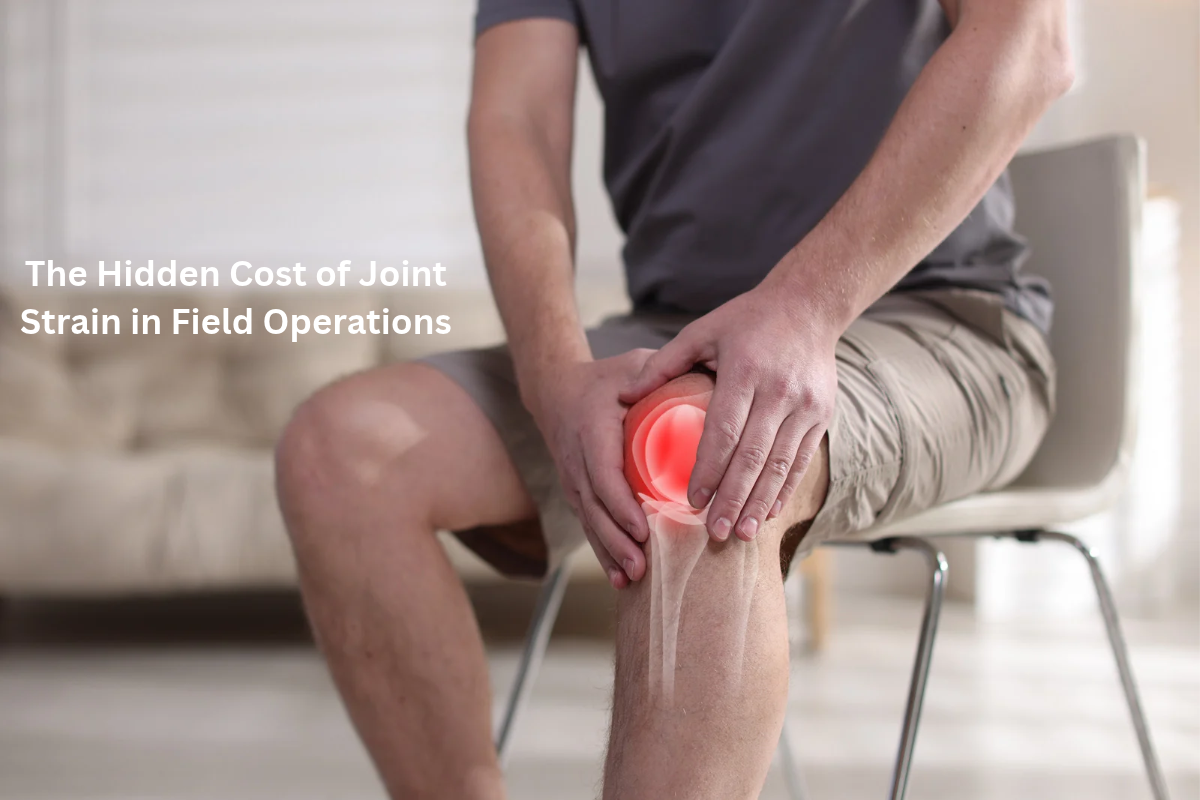
The Hidden Cost of Joint Strain in Field Operations
When field employees experience knee discomfort, fatigue, or repetitive joint strain, even routine tasks can take longer and disrupt project schedules. Over time, minor physical stress can lead to reduced productivity, increased medical expenses, and costly staffing adjustments. Understanding how workplace strain develops and how proper impact protection supports employee comfort can help businesses reduce downtime and maintain consistent operational performance.
Calculating the Price of Physical Downtime
Physical downtime includes more than full days of absence. An employee working at reduced capacity may take longer to inspect a site, complete a repair, or move between work areas. Supervisors may then need to adjust assignments, authorize overtime, or send another person to help.
Track minor incidents, reports of discomfort, task completion times, and schedule changes. These records reveal patterns that standard absence figures can miss. Published discussions of repetitive strain costs also show how small amounts of daily tissue stress can develop into a larger medical and financial burden.
Equipment expenses belong in the calculation too. For roles involving frequent kneeling, tactical combat knee pad inserts may provide integrated cushioning, flexibility, and surface grip for compatible field apparel. Compare that modest preventive cost with delayed projects, replacement labor, and recurring discomfort.
Repetitive Motion and Joint Degradation
Joint strain rarely comes from one dramatic movement. It often develops through hundreds of ordinary actions, such as stepping down from vehicles, crouching to inspect low components, or kneeling during installations. Fatigue can change how an employee distributes weight, placing extra pressure on surrounding muscles and joints.
Reports on the hidden workplace costs of repetitive strain highlight effects such as reduced productivity, staff turnover, and retraining demands. Field managers should observe tasks directly and record how often workers kneel, squat, lift, or climb during a normal shift.
Rotate demanding assignments when possible and schedule brief recovery periods before fatigue becomes visible. Workers should also report stiffness early, since timely adjustments are usually easier than reorganizing a team after symptoms worsen.
Upgrading to Integrated Impact Protection
Protective equipment works best when it stays aligned with the body during movement. Loose pads may shift, create pressure points, or require frequent adjustment. Integrated inserts can reduce those interruptions when they fit the garment correctly and match the worker’s range of motion.
Evaluate protection through short field trials. Ask employees to walk, kneel, climb steps, and work in a crouched position for several minutes. Check that the insert covers the knee while flexed, returns to position after standing, and does not restrict circulation. Materials should also tolerate the surfaces and weather conditions employees encounter.
Inspection matters after purchase. Replace inserts that remain compressed, develop cracks, or no longer sit securely. Clear replacement criteria keep worn equipment from becoming part of the uniform simply because it still looks usable.
Sustaining High Operational Output
Long-term output depends on how well an organization combines equipment, scheduling, and task design. A protective insert cannot correct excessive workloads, poor movement habits, or a work area that forces awkward positioning. Supervisors need to review all three factors together.
Include joint-strain indicators in routine operational reviews. Compare completion times, minor incident reports, and discomfort complaints across teams or task types. The same cost-focused method used to examine operational downtime in logistics can help reveal where physical strain is disrupting field schedules.
Managers should also invite practical feedback after equipment trials. Employees can identify pinching, slipping, and restricted movement that purchasing specifications may not reveal. A dependable program ends with one concrete standard: every employee should be able to kneel, rise, and move through the full task without stopping to reposition protective gear.