
Can Changing Your Work Environment Fix Strategy Gaps?
A change of setting can help a leadership team see problems that have become invisible through routine. New surroundings won’t repair a weak strategy on their own, but they can interrupt familiar habits, improve attention and encourage more candid discussion.
The strongest off-site meetings pair that environmental shift with a clear business purpose. Teams arrive with a defined challenge, relevant data and decision authority, then leave with owners and deadlines attached to each action.
The Psychology of Stagnant Thinking
People naturally build associations between places and behaviors. A familiar conference room may prompt the same seating choices, speaking order and unspoken hierarchy each time. After enough meetings, participants can slip into predictable roles before the discussion has even started.
A toxic workplace culture can make people less willing to question ideas or raise concerns, even when changing the meeting location temporarily breaks familiar routines. Leaders still need to invite disagreement and respond constructively if they want different thinking to continue after the off-site ends.
Start an off-site session with silent idea generation. Give everyone 10 minutes to write before senior leaders speak. This prevents the first opinion from setting the direction for the room.
Why Familiar Boardrooms Limit Ideas
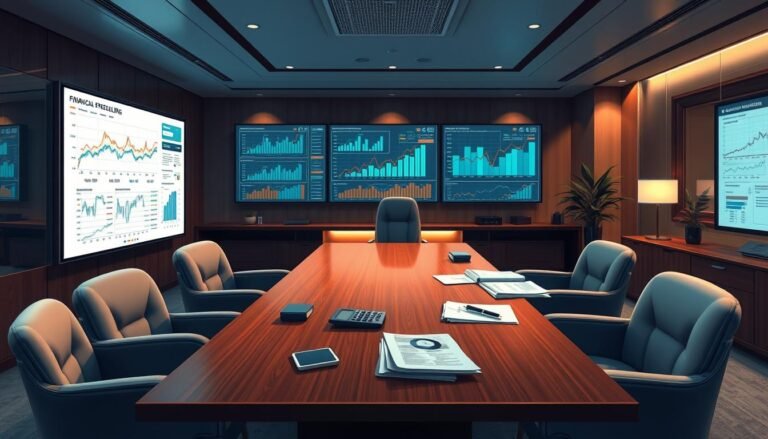
Boardrooms are useful for updates and formal decisions, yet their layout can discourage exploration. A long table directs attention toward the person at its head. Screens invite teams to work through dense presentations instead of examining assumptions together.
Concerns about reigniting creativity in stagnant spaces point to a broader issue: surroundings can reinforce repetitive thinking. Change the format as well as the location. Use wall-sized planning sheets, rotate discussion leaders and schedule short walking conversations before major decisions.
Finding Environments That Enhance Focus
Choose a setting based on the work your team must complete. A quarterly planning session needs reliable presentation tools and enough wall space to compare priorities. A leadership reset may benefit from quiet outdoor areas where pairs can discuss sensitive topics without an audience.
For a multi-day retreat, a great space for a team meeting can make it easier to combine private meeting areas, lodging, meals and team activities in one location. Keeping the group together also reduces the interruptions that come with returning to separate offices between sessions.
Privacy matters when the agenda covers staffing, financial performance or organizational changes. Check that the group will have dedicated rooms, dependable internet access and spaces for smaller breakouts. Meals and lodging on-site can protect working time during a multi-day retreat.
Build breathing room into the schedule, too. Ninety-minute work blocks with 15-minute breaks usually support better attention than an uninterrupted afternoon of presentations. Ask attendees to silence routine notifications and assign one contact to handle genuine operational emergencies.
Measuring Off-Site Business Value
Set success measures before booking the meeting. Useful indicators include the number of decisions completed, unresolved issues assigned to owners and projects given firm 30-day milestones. You can also compare a short pre-meeting survey with one sent a week afterward. Ask whether priorities are clear, disagreement feels safe and each person understands their responsibilities.
Track execution after 30, 60 and 90 days. If five strategic decisions produced four completed actions and one documented delay, the retreat created visible progress. If the team left energized but nothing changed, review the agenda, decision process and follow-up structure before blaming the venue.
The real test comes at the next leadership meeting: people should spend less time reopening old debates and more time reporting what happened after the decisions were made.