
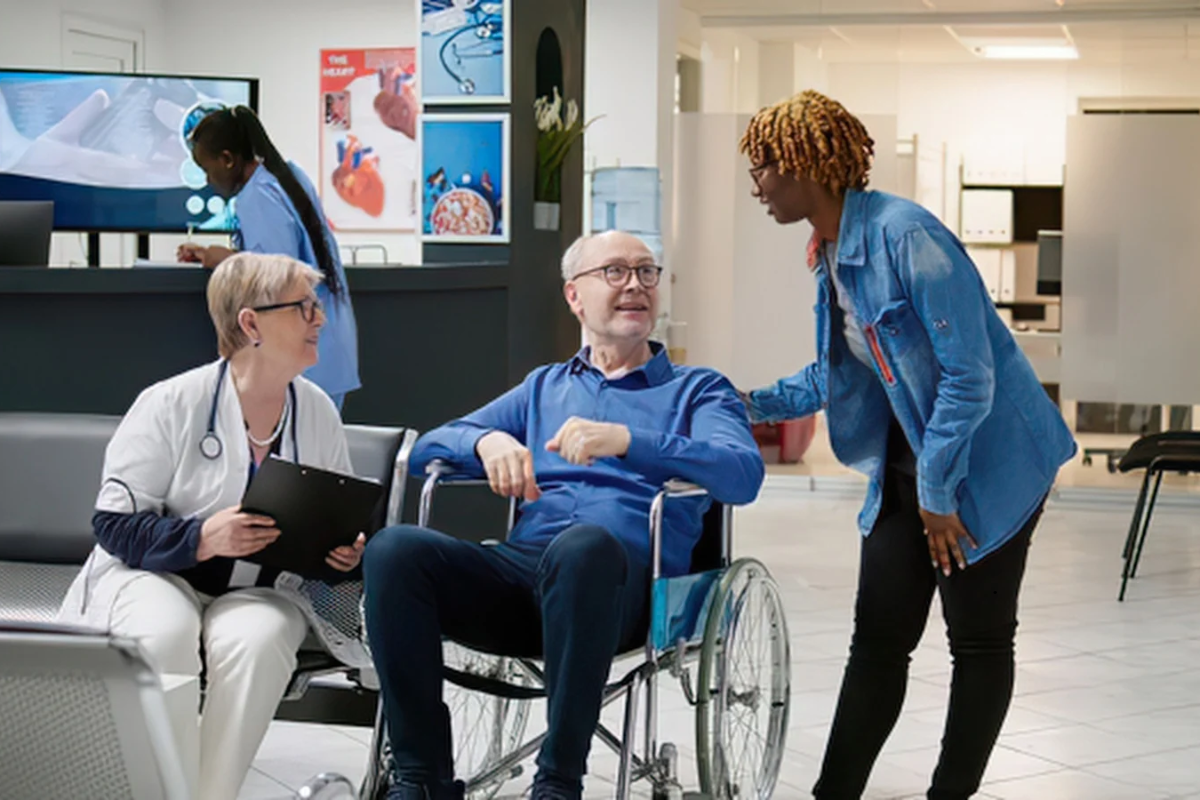
What Every New Practice Owner Needs in Support Staff
A new medical practice depends on support staff who can keep patient care, scheduling and documentation moving from the first appointment onward. Early hiring decisions also shape workplace culture and determine how much time you’ll have for clinical work.
Before posting job openings, define the tasks each position will own and the qualifications those tasks require. Clear responsibilities help prevent duplicated work, missed follow-ups and confusion during busy clinic hours.
Mapping Out Core Clinic Roles
Start with the patient’s path through a typical visit. Someone schedules the appointment, confirms coverage details, checks the patient in, records key information and coordinates follow-up care. Mapping that sequence reveals which roles your clinic needs immediately.
A small practice may begin with a practice manager, receptionist and one or two clinical support employees. The manager should understand staffing, billing workflows and performance tracking. These high-performing manager traits include communication, financial awareness and the ability to address problems promptly.
Write a responsibility chart before hiring. Assign one owner to appointment templates, supply orders, referral tracking and patient messages. Even when employees cover for each other, primary ownership makes accountability clear.
Baseline Clinical Skills to Require
Clinical support employees need skills that match the services your practice provides and the duties permitted under applicable state rules. Common requirements may include measuring vital signs, documenting patient information, following infection-control procedures and recognizing when a concern needs immediate escalation.
Verify each candidate’s education, credentials and hands-on experience. For example, applicants in Connecticut who want preparation for entry-level patient care under licensed healthcare professionals may consider a nurse aide course combining classroom instruction with clinical training.
A practical interview can uncover gaps that a resume misses. Ask candidates to explain how they would confirm a patient’s identity, document an unusual reading or respond when they don’t understand an instruction. Use the same questions and scoring guide for every applicant.
Delegating Non-Physician Daily Tasks
Create written protocols for routine work that doesn’t require a physician’s direct attention. Front-office staff can manage reminders and records requests, while appropriately trained clinical employees can prepare rooms, gather approved information and relay messages through established channels.
Your practice management toolkit should support scheduling, communication and task tracking without creating several disconnected systems. Configure electronic queues so every request has an owner, status and due date. A refill message, for instance, might move from intake to clinical review and then to patient notification.
Review delegation rules with your team during onboarding. Staff members should know what they may complete independently, what requires supervision and what must go directly to a licensed clinician. Audit several tasks each week during the opening months.
Maintaining Compliance From Day One
Build compliance into ordinary workflows before the practice opens. Give each employee role-based access to patient information, require unique login credentials and document training completion. Written policies should cover privacy, record handling, workplace safety, incident reporting and communication with patients.
Set a schedule for reviewing credentials, emergency supplies and mandatory training. A shared compliance calendar can flag license renewals 60 days early and assign monthly checks to named employees. Keep signed acknowledgments and audit records in a central location with controlled access.
Hold brief review meetings after the first week, first month and first quarter. Use scheduling errors, incomplete forms and delayed messages as evidence for improving procedures, not as reasons to create vague reminders. Specific corrections build a clinic where every employee knows the next step and when to escalate concerns.