
How paperless AP systems simplify and speed up approvals
Manual invoice approvals can slow everything down. Paper invoices go missing, signatures take too long to collect, and finance teams end up chasing documents instead of focusing on more important work.
A paperless automated accounts payable system replaces these time-consuming steps with a simple, digital process. Invoices are received, routed and approved electronically, giving finance teams better control and visibility at every stage.
By removing paper, automating routine tasks and connecting directly with accounting software such as Xero or QuickBooks Online, businesses can free up valuable time and reduce errors across the entire process.
Understanding how paperless AP systems work, and what it takes to get started, can help you decide if they are right for your organisation.
Key features of paperless accounts payable systems
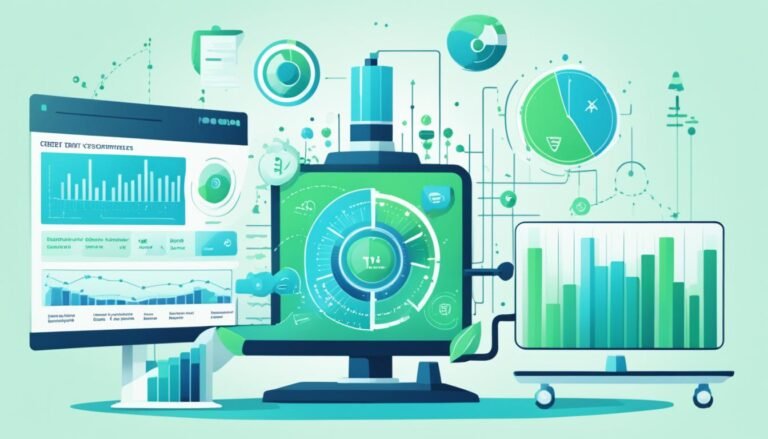
Paperless AP solutions replace manual steps with four main features: digital invoice capture, automated approval workflows, secure cloud storage and integration with your accounting software.
Digital invoice capture and data extraction
A paperless AP system captures invoice data automatically, whether the invoice is scanned from paper, emailed as a PDF or uploaded through a supplier portal. Optical Character Recognition (OCR) reads and records key details such as:
- Vendor name and address
- Invoice number and date
- Line items and totals
- Tax amounts and payment terms
- Purchase order references
This happens in seconds, removing the need for manual data entry. Modern OCR systems reach more than 95% accuracy for standard invoices, reducing errors and the need for rework.
Automated approval workflows
Invoices are routed automatically based on your approval rules, such as department, cost centre, amount or manager. The right people receive notifications instantly and can approve or reject invoices from any device.
Cloud-based document management
Cloud storage gives finance teams secure access to invoices from any location. There is no need for filing cabinets or printed copies because every invoice is stored and searchable by vendor, amount or date.
Benefits include:
- Unlimited storage with automatic backups
- Version control for document history
- Encryption and user-level permissions
- Shared access for remote or hybrid teams
Auditors, managers and finance staff can find documents in seconds, making reviews faster and more accurate.
Integration with accounting software
Paperless AP systems connect directly with platforms such as Xero and QuickBooks Online. Invoice data flows automatically between systems without manual imports or exports. Vendor details, chart of accounts and payments stay synchronised at all times.
Integration brings:
- Real-time posting of approved invoices
- Automatic purchase order matching
- Consistent vendor master data
- Combined reporting across systems
This connection removes duplication and saves time while reducing the risk of human error.
How paperless AP systems speed up approvals
Automation goes beyond saving time. It changes visibility, accuracy and control across your accounts payable process.
Reducing manual processes
Traditional AP processes depend on physical paperwork, routing invoices by hand and chasing signatures. Paperless systems remove these steps completely. Invoices move electronically between approvers based on predefined rules, while data is captured automatically at the start.
Your team no longer needs to:
- Print and store invoices
- Send physical copies for signatures
- Re-enter data into multiple systems
- Search for missing paperwork
This shift can cut average processing time from more than two weeks to just a few days for top-performing finance teams. It leads to faster approvals, quicker month-end closes and less frustration for staff.
Real-time tracking and visibility
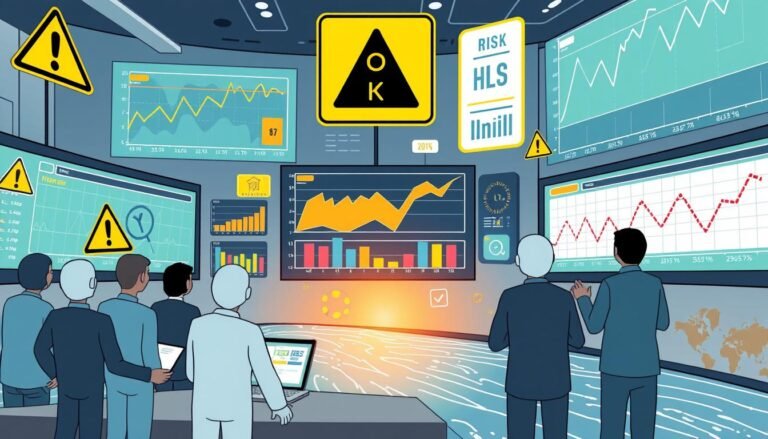
A digital AP system provides complete visibility across every stage of the approval workflow. Dashboards show which invoices are pending, who is holding them and how long each stage takes.
Typical metrics include:
- Processing time per stage
- Outstanding invoices by approver
- Department-level approval rates
This clarity allows finance teams to prioritise urgent payments, prevent delays and take advantage of early payment discounts.
Automatic reminders and mobile alerts make it easier for managers to approve on the move. Suppliers also receive accurate updates about payment status, improving communication and trust.
Fewer errors and stronger compliance
Manual invoice handling is prone to mistakes such as duplicate payments or missing paperwork. Paperless systems reduce these risks through validation checks and built-in controls.
The system flags duplicates, missing data or incorrect coding before the approval process begins. Every action is logged in an audit trail, giving you a full record of who approved each invoice and when.
Routing rules maintain approval consistency. High-value invoices go to senior managers, while smaller ones can be approved by department heads. Error rates fall sharply, saving both time and cost. Manual corrections can cost £15–£40 per invoice, but automation reduces this significantly.
Business benefits of paperless AP solutions
A move to paperless accounts payable delivers clear results. It lowers costs, supports sustainability goals and strengthens data security, creating a foundation for scalable growth.
Cost savings and return on investment
Paperless AP can reduce invoice handling costs by up to 80%. The savings come from less paper, lower printing and postage expenses, and reduced time spent on manual tasks.
Direct cost reductions include:
- Printing and courier costs
- Filing and storage space
- Data entry and admin time
Automation also improves cash flow visibility and speeds up payments by up to 30%. Finance teams can plan payments automatically, avoid late fees and strengthen supplier relationships.
Remote access allows invoices to be approved from anywhere, which reduces bottlenecks during busy periods.
Sustainability and environmental impact
Paperless systems support sustainability targets by removing thousands of printed invoices and delivery slips each year.
Environmental benefits include:
- No paper use in invoice processing
- Lower fuel and delivery needs
- Less printer energy consumption
- Reduced waste disposal
Electronic payments add another layer of sustainability by removing paper cheques. Many organisations also find that visible environmental efforts enhance their reputation.
Stronger security and data protection
Digital AP systems give you tighter control over information. Electronic invoices are encrypted, stored securely and backed up automatically, removing the risk of loss or damage.
Security benefits include:
- Encrypted data storage and transfer
- Role-based access control
- Full audit trails with timestamps
- Automatic backups and recovery options
Centralised data storage prevents information from being lost in email threads or paper files. Multi-factor authentication and regular updates protect sensitive data and reduce fraud risk.
Implementation considerations for paperless AP
Moving to a paperless system is simple with the right preparation. Focus on software selection, integration and change management to help the process run smoothly.
Choosing the right AP automation software
The software you select will determine the success of your move to paperless. Begin by reviewing your invoice volume, approval structure and accounting platform.
Look for:
- Direct integration with your accounting system (for example, Xero, QuickBooks or NetSuite)
- Flexible approval workflows
- AI-driven invoice capture
- Secure cloud storage
- Mobile access for approvals
- Detailed audit trails
Compare pricing carefully. Some vendors charge per invoice, while others use a flat rate. Choose an option that fits your expected growth.
Before you decide, take time to look at the best accounts payable automation software available today, so you can find a solution that truly fits how your finance team works.
Integration and onboarding
Proper integration keeps your financial systems connected. Many AP platforms offer direct API links, which means invoice data moves automatically between systems without manual entry.
Work with IT to set up user permissions and secure access. Roll out the system in stages, starting with a small group of suppliers, and expand once everyone is comfortable.
Training often takes only a few hours, allowing teams to work normally while they learn. When payment automation is added, you have a complete process from invoice to payment.
Change management and training
Adoption depends on how confident your team feels about the new system. Address early concerns by showing how automation removes repetitive work, not people.
Provide training materials with clear instructions for digital invoice capture, approval workflows and exception handling.
Nominate department champions who can help colleagues and share feedback. Track adoption during the first few months, and provide support when issues arise.
Clear communication and quick technical help build trust, which helps teams embrace the new process.
Conclusion
Adopting a paperless accounts payable system goes far beyond going digital. It gives finance teams back valuable time, improves accuracy and builds stronger financial control.
By capturing invoice data automatically, routing approvals intelligently, storing documents securely and linking everything with your accounting software, paperless AP turns a manual process into a fast and transparent operation.
For growing businesses facing higher invoice volumes or tighter audit demands, paperless AP is a practical step towards faster, safer and more sustainable finance management.