
How Electrical Lockout Procedures Help Prevent Workplace Injuries
Electricity is one of the most common causes of serious workplace injury, and much of the risk does not come from electrical work itself, but from equipment unexpectedly becoming energized while someone is actively servicing it. Electrical lockout procedures exist specifically to prevent this scenario, and understanding why they matter so much helps explain why they remain such a central part of workplace safety programs across nearly every industry that works with powered equipment.
Here is a detailed, section by section look at why electrical lockout is so essential, what it actually involves, and why cutting corners on this particular safety practice carries such serious consequences.
1. Understanding What Electrical Lockout Actually Prevents
Electrical lockout is a safety procedure designed to ensure that equipment remains completely de-energized and cannot be accidentally restarted while a worker is performing maintenance, repairs, or servicing. Without this procedure, equipment could be switched back on by another worker unaware that someone is actively working on it, or could restart unexpectedly due to a stored energy release, a timer, or an automated control system.
This risk is not theoretical. Unexpected energization during maintenance work is a leading cause of severe electrical injuries in industrial and commercial settings, which is exactly why lockout procedures are treated as a mandatory safety requirement rather than an optional best practice.
2. Why Electrical Hazards Are Uniquely Dangerous
Electrical injuries differ from many other workplace hazards because the danger is often completely invisible until contact occurs. A worker cannot see live current the way they might notice a moving mechanical part or an obvious physical hazard, which means the margin for error is considerably smaller and the consequences of a mistake can be immediate and severe.
This invisibility is part of why electrical lockout procedures place such heavy emphasis on verification steps, physically confirming that equipment is de-energized rather than simply assuming a switch position or control panel indicator is accurate, since electrical hazards genuinely cannot be assessed through visual inspection alone.
3. The Role of Dedicated Lockout Devices
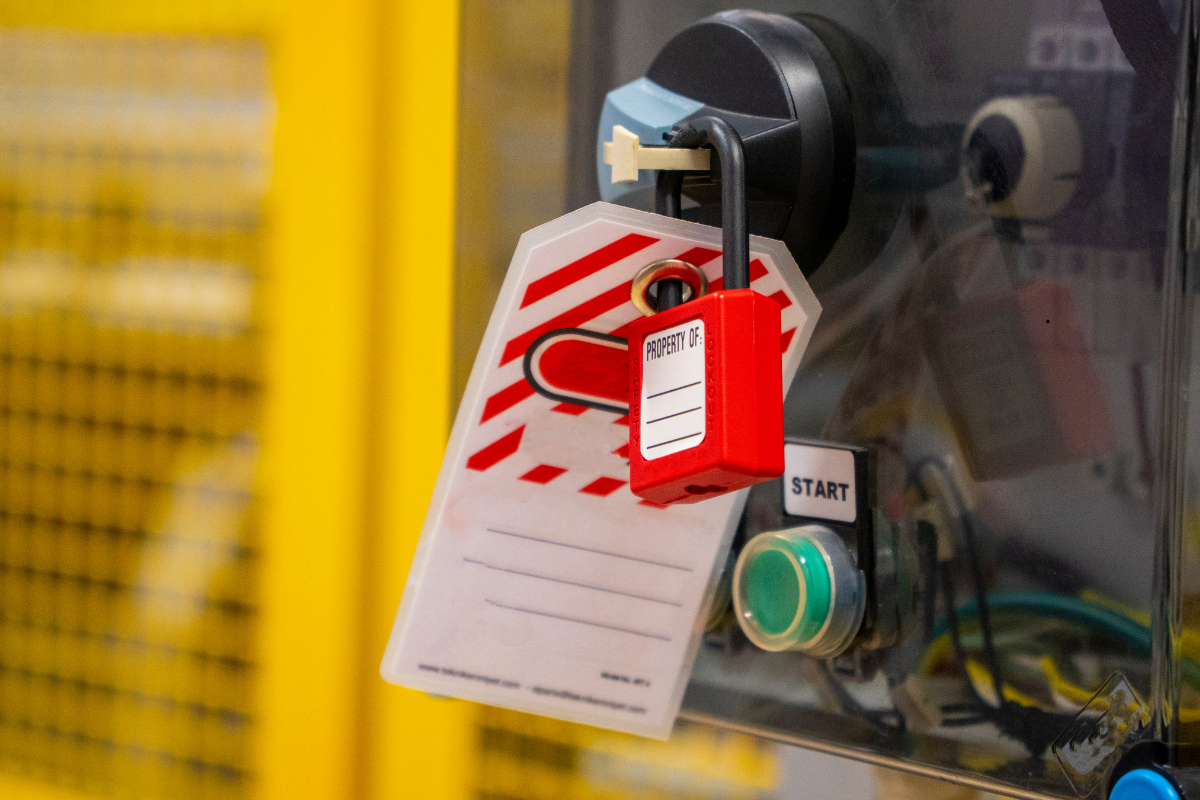
A proper electrical lockout procedure depends on using devices specifically designed for this purpose rather than improvised solutions. Purpose-built electrical lockout devices are engineered to physically block access to circuit breakers, disconnect switches, and other electrical controls, preventing them from being operated until the device is properly removed by the authorized worker who applied it in the first place.
ELECPOPULAR SAFETY has focused specifically on designing lockout devices suited to the wide range of electrical panel types and disconnect configurations found across different facilities, recognizing that a lockout device only works if it genuinely fits and secures the specific equipment it is meant to protect.
4. Why Verification Steps Cannot Be Skipped
Applying a lockout device is only part of a complete procedure. Verifying that equipment is actually de-energized, typically using a properly rated voltage tester on the equipment itself, confirms that the lockout has been effective rather than simply assuming it has worked based on the lock being in place. Skipping this verification step removes a critical safety check that catches situations where lockout has not fully isolated the hazard.
This verification step matters especially in facilities with complex electrical systems, where multiple energy sources or backup power systems could keep equipment partially energized even after the primary disconnect has been locked out, a scenario that verification testing is specifically designed to catch.
5. Training Determines Whether Procedures Actually Work in Practice
Even well designed lockout equipment fails to protect workers if the people using it have not been properly trained on correct procedures. Training needs to cover not just how to apply a lockout device, but how to identify all energy sources for a specific piece of equipment, how to verify de-energization properly, and how to communicate clearly with coworkers about lockout status throughout a maintenance procedure.
Facilities that treat lockout training as a one time onboarding checkbox, rather than an ongoing practice reinforced through regular refreshers, tend to see procedural drift over time, where shortcuts gradually creep into practice until a near miss or actual incident forces a correction.
6. The Data Underscores Why This Matters
According to the Occupational Safety and Health Administration, lockout tagout violations remain consistently among the most frequently cited workplace safety violations in the United States each year, with improper or missing lockout procedures contributing to a significant number of serious and fatal workplace injuries involving electrical and mechanical equipment.
This enforcement and injury data reflects a consistent pattern across industries: when electrical lockout procedures are followed correctly and consistently, serious injuries from unexpected energization become genuinely rare, and when procedures are skipped or performed incompletely, the consequences are frequently severe.
Final Thoughts
Electrical lockout is not a bureaucratic formality layered on top of maintenance work. It is a foundational safety practice built around a genuinely serious hazard, the possibility of equipment becoming unexpectedly energized while someone is working on it directly. Proper devices, thorough verification, and consistent training all work together to make this hazard genuinely manageable rather than an ongoing source of risk.
For any workplace with electrical equipment requiring regular maintenance, investing in proper lockout equipment and genuine training is not an optional safety enhancement. It is a fundamental requirement for protecting workers from one of the most serious and preventable categories of workplace injury, and getting it right consistently is what actually keeps people safe day after day.