
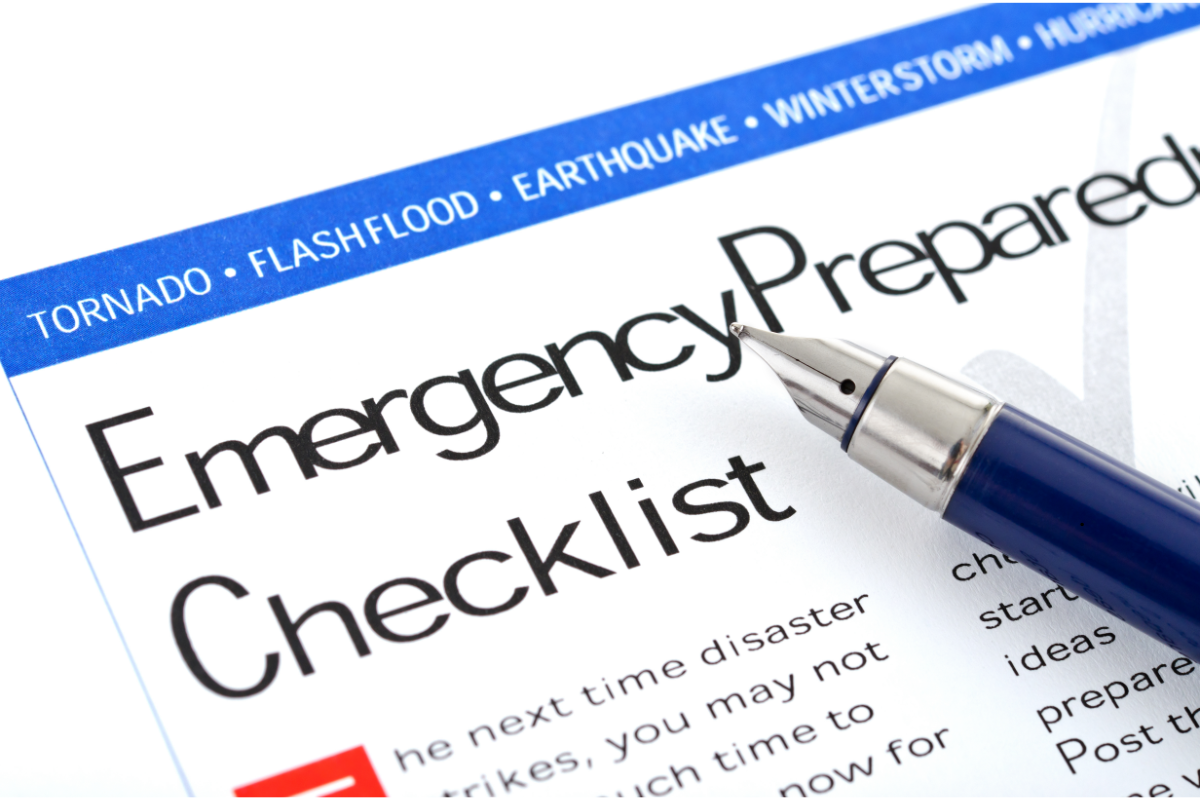
The Power of Preparedness in Life and Work
Life rarely goes exactly as we expect, and people who handle change well are often those prepared for a few detours. While we can’t predict the future, we can build a strong foundation that helps us face challenges with a clear head and a sense of purpose, rather than simply panicking. By giving yourself the tools, skills, and plans to handle whatever comes your way, you make potential crises easier to manage.
Why Preparedness Matters
Think of preparedness as a way to handle unexpected situations more easily. When something difficult comes up, perhaps you suddenly lose your job, a major project at work goes off track, or you face a personal emergency, being unprepared can leave you stressed and unsure of what to do next. Preparedness can soften the impact. By thinking through possible problems beforehand, you give yourself a clearer path forward when you’re under pressure.
Thinking ahead can also help protect your peace of mind. Knowing you have a backup plan or the skills to deal with a difficult situation can reduce some of the anxiety that comes with uncertainty. Instead of getting caught up in endless “what if” thoughts, you can focus your energy on your goals, knowing you have systems in place to deal with problems if they arise. For example, an emergency fund doesn’t just provide financial support if you lose your job. It can also give you the freedom to consider new career opportunities without making decisions based entirely on financial fear.
On a practical level, being prepared can save time, money, and energy. When a problem arises, you’re not starting from scratch trying to work out what to do. You already have a plan that you can put into action. This can help at work, where a quick response can keep a project on track, and at home, where preparation can help you and your family handle unexpected situations more calmly.
Anticipating Challenges Proactively
Real preparedness starts with taking a realistic look at potential problems before they appear. In business, this might mean monitoring market trends to anticipate changes in customer demand or identifying weak points in your supply chain. In your personal life, it could mean considering how a major home repair might affect your finances or thinking about how your family would manage during a prolonged power cut.
A simple way to begin is with some structured “what if” brainstorming. Set aside some time to think about potential challenges in different areas of your life:
- Career: What if my job changes because of new technology? What if my company undergoes a major reorganisation?
- Money: What if I face an unexpected £5,000 expense? What if my additional income suddenly disappears?
- Home & Family: What if the main carer in the family becomes unwell? What if a natural disaster affects my area?
The goal is to identify your biggest weak spots. Once you know where you’re most vulnerable, you can start taking small, practical steps. This kind of forward planning is important for protecting lives and communities on a larger scale, and the same principles can apply to your own life. You might start by learning a new skill, building up your savings, or simply writing down an emergency contact list. Each step can better prepare you for what comes next.
Essential Training for Readiness
Having a plan is only part of the process. You also need the skills to put it into practice. Training connects good intentions with real action, giving you the practical abilities you need to respond when something goes wrong. The type of training you need will depend on the risks you’ve identified. For instance, a basic first aid and CPR course can be a valuable skill to have in an emergency.
In professional life, continuing to learn is another form of preparedness. A project management course can help you handle complex projects and the risks that come with them. A public speaking workshop can help you communicate clearly and calmly when you’re under pressure. These skills aren’t limited to your current role. They can make you more adaptable and useful across different situations throughout your career. Effective emergency preparedness and response often depend on the training people receive beforehand.
For people in certain professions, preparedness is a core part of the job, and security work requires training in areas such as de-escalation, emergency response and legal requirements. These areas help security professionals manage difficult situations, respond appropriately when something goes wrong, and carry out their responsibilities within the law. Training and certification providers, including Arizona Guard Cards, cover these areas as part of the preparation required for security work. This gives professionals a clearer understanding of their role before they have to handle these situations in practice.
Developing Contingency Plans
A contingency plan is essentially your “Plan B”. It’s a pre-planned course of action designed to help you respond effectively to a specific problem. While you can’t prepare for every possible situation, you can create backup plans for the most likely or most significant challenges you identified during your earlier assessment. A useful contingency plan should be clear, simple, and easy to follow.
Start with a few key areas. For example:
- Financial Backup: A common approach is to build an emergency fund covering three to six months of living expenses. This can provide a financial buffer if you lose your income, giving you time to reduce non-essential spending and work out your next steps.
- Work Backup: If a major client suddenly leaves, what’s your plan? It could involve contacting a list of existing leads, moving team members to another project, or launching a marketing campaign you’ve already prepared.
- Logistics Backup: If your main way of getting around breaks down, what’s your alternative? Do you know the local bus routes, have a taxi or ride-hailing app ready, or have an arrangement with a colleague? It might seem like a small detail, but having a backup sorted can stop a minor inconvenience from becoming a much bigger problem.
Creating these plans can build resilience because it encourages you to think through the practical steps involved in responding to a problem. For each plan, identify the trigger, the immediate actions you need to take, and the key people or resources involved. Write it down. Having a documented plan makes it easier to remember and follow when you’re under stress.
Confidence Through Competence
One of the most useful results of preparation is the confidence that comes from knowing you can handle difficult situations. This isn’t the kind of confidence that comes from simply telling yourself everything will be fine. It’s confidence built through skills, experience, and preparation. When you know you can respond and have a plan to guide you, uncertainty feels much easier to manage.
Think about the difference between a student who has studied for an exam and one who hasn’t. The prepared student walks in with a clearer sense of what to expect and is ready to demonstrate what they know. The unprepared student is more likely to feel anxious and hope that things work out. The same pattern can appear in other areas of life. A prepared professional can handle a difficult question from a senior colleague because they’ve done their research. A prepared homeowner can respond to a severe weather warning calmly because they already have the supplies and plans they need.
This confidence can also change how you approach everyday decisions. You may feel more comfortable taking sensible risks, pursuing ambitious goals, and supporting others when things become difficult. You’re not simply reacting to whatever happens around you. You’re taking an active role in deciding how you’ll respond. That may be one of the most valuable outcomes of being prepared. You can’t control everything that happens, but you can invest in your ability to respond thoughtfully and effectively.