How Smart Compliance Platforms Improve Efficiency in Global Trade Operations
International trade is experiencing record growth, but opportunity also brings complexity. Companies face regulations from multiple countries, shifting reporting standards, and greater expectations for transparency. Missing even one requirement can result in delays, penalties, or reputational damage.
In such a fast-paced environment, traditional methods simply cannot keep up. Businesses need reliable support that ensures accuracy, speed, and adaptability. Smart compliance platforms offer this balance by blending automation with real-time oversight. They help organizations reduce risk, maintain trust, and move shipments across borders without unnecessary barriers.
This article examines the growing challenges of global commerce, the reasons businesses are adopting digital solutions, the efficiency gains from innovative platforms, how these tools mitigate risk, and the ways next-generation compliance is shaping the future.
Global Trade Challenges Today
The global marketplace is bigger and more complex than ever. In 2024, world trade was projected to reach nearly $33 trillion, according to UNCTAD. This growth has come with closer scrutiny. U.S. Customs and Border Protection reported detaining $1.34 billion in shipments under forced labor enforcement in the same year.
Additionally, a survey found that 74% of trade professionals were affected by supply-chain due diligence rules, and 52% faced disruptions from export controls.
This data highlights the twin reality of modern trade: opportunity and risk. Companies want to expand into new markets, but every border crossed introduces new requirements. Tracking these rules manually drains resources and increases the chance of error. Businesses need a system that can evolve as quickly as regulations change, while also reducing the stress of compliance work.
Why Companies Use Digital Compliance
Relying on manual oversight is no longer a viable option. Supply chains operate at high speed, and regulations shift too frequently for spreadsheets and checklists to keep pace. Businesses require tools that not only track updates but also provide insight and structure. That is why many organizations are turning to trade compliance software as a foundation for their operations.
These platforms go beyond replacing paperwork. They provide foresight, reduce uncertainty, and create confidence for decision-makers. By automating repetitive work, they free up teams to focus on growth while ensuring rules are consistently met.
For example, providers like Livingston International deliver solutions that combine real-time updates, automated reporting, and ongoing monitoring within a single system. This type of integrated support enables businesses to stay ahead of shifting requirements while incorporating efficiency into their workflows.
Efficiency Gains Through Smart Tools
Smart platforms do more than reduce mistakes; they also reshape efficiency. Without digital support, compliance tasks can take hours, slowing teams across departments. With automation, many steps are completed instantly, improving both speed and reliability.
Efficiency benefits include:
- Faster clearance: Automated filings shorten wait times and reduce costly delays.
- Lower costs: Avoids fines and saves staff time on routine tasks.
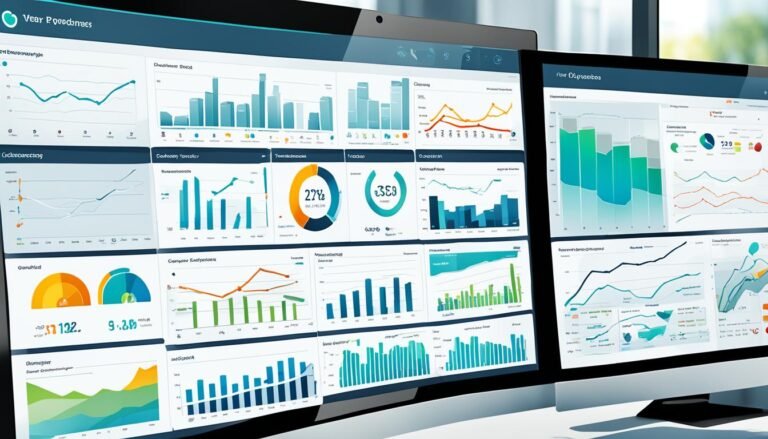
- Transparency: Dashboards display real-time status and highlight areas for improvement.
- Collaboration: Teams share the same data, improving communication.
Together, these improvements enable companies to compete globally with greater agility.
Managing Risk with Compliance Tools
Risk remains one of the greatest challenges in trade. A missed update or error in filings can lead to lost shipments and damaged trust. Manual checks leave too much room for uncertainty. Digital platforms, however, monitor and prevent these risks before they grow.
Core strengths include:
- Error detection: Scans documents and flags issues before submission.
- Audit readiness: Stores detailed records for fast access during reviews.
- Adaptability: Adjusts to new rules instantly, keeping firms aligned.
Managing risk this way builds credibility. Businesses that avoid errors show reliability to both regulators and partners.
Driving Growth with Next Gen Compliance
Trade systems are evolving with advanced technology, and next-generation platforms bring new levels of intelligence. These tools not only ensure companies’ compliance but also give them a competitive edge.
- AI-powered insights
Artificial intelligence reviews trade data for patterns, predicting risks before they occur. - Predictive analytics
Forecasts upcoming regulatory changes and tariff adjustments, allowing better planning. - Integrated systems
Links compliance with finance, logistics, and supply chains for unified oversight. - Scalability
Supports increasing transaction volumes without slowing performance.
By adopting these next-gen solutions, businesses prepare for growth while minimizing disruption. Companies that act early gain a long-term advantage in a fast-changing trade environment.
Conclusion
International trade is more complex than ever, but it is also full of opportunity. Companies that rely on outdated processes risk delays, penalties, and loss of trust. Innovative compliance platforms change this by automating tasks, streamlining efficiency, and reducing risks at every stage. From faster clearance and stronger accuracy to predictive analytics and scalable systems, these tools make global operations smoother and more reliable. Businesses that embrace them today are better prepared for tomorrow. In a world where trade is becoming increasingly demanding, digital compliance is not just applicable — it is essential for sustainable growth.