
Why Businesses Still Need a Marketing Consultant in the AI Era
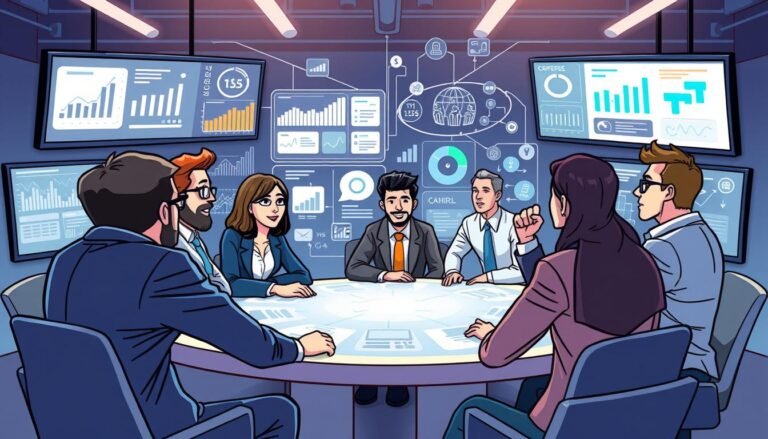
Technology has transformed marketing more rapidly than many businesses can keep up with. Artificial intelligence now plans ads, tracks performance, and even writes copy. For some companies, it feels like machines can do everything people once did. But while data is powerful, it doesn’t understand people — it only reads patterns.
Think of it this way: AI can predict when customers might buy, but only humans can understand why they do. That “why” is what makes messages meaningful. Marketing still relies on ideas, timing, and empathy — qualities that are uniquely human. Even the most sophisticated software can overlook what truly resonates with audiences.
Real success begins with those who see beyond numbers and use technology to enhance, not replace, human creativity.
Keep reading to learn more…
The Age of Automation
AI has made marketing faster, but it hasn’t made it effortless. From social media scheduling to customer behavior tracking, automation handles repetitive work with ease. It removes guesswork but not decision-making.
While these tools help manage daily tasks, they lack creativity and emotional intelligence. They know what to do but not why it matters. Businesses using automation still need people who can connect strategy with meaning. Technology executes plans; humans create them. This difference keeps campaigns authentic, relatable, and focused on real-world goals instead of algorithms.
Strategy Still Needs Human Insight
Automation may organize data, but it can’t read intent or emotion. Strategy isn’t about following numbers; it’s about understanding people. The best results happen when professionals combine analytical knowledge with human judgment.
That’s why many companies rely on dedicated platforms to find experts who can help them make sense of modern marketing. When they hire a skilled marketing consultant, they’re not just paying for advice — they’re investing in perspective. These specialists turn insights into stories, ensuring campaigns connect with real customers, not just digital profiles.
In fact, many businesses now use professional networks that simplify the process of finding qualified consultants. Such platforms enable companies to compare skills, explore portfolios, and review past results before making a decision. This helps them find someone who understands both data and direction. The outcome is balanced marketing — where technology works efficiently and human expertise gives it purpose.
Why Human Expertise Still Matters
Modern marketing relies on technology, but success depends on creativity. Algorithms can suggest keywords and audience groups, yet they can’t craft a tone that builds trust. Human input shapes brand identity and ensures every message feels authentic.
Experts understand what motivates customers, how culture influences trends, and when to adjust a strategy to match real conditions. They bring flexibility that automation simply lacks. AI can assist, but it can’t adapt to emotion or context without guidance. This makes professionals an essential part of every business’s success plan.
The Limits of Automation
Even the best tools have limits. Machines don’t understand sarcasm, cultural references, or emotional timing. Campaigns built purely on automation often feel impersonal or off-balance.
Here’s where human oversight makes the difference:
• People can interpret changing moods and market trends.
• They can craft messages that resonate emotionally.
• They make creative decisions based on empathy, not code.
AI may analyze past performance, but it can’t predict what people will feel tomorrow. That’s why combining both — automation for precision and people for insight — delivers stronger results than relying on either alone.
Turning Tools into Partners
The most successful businesses don’t view technology as a competitor; they see it as a support system. Automation helps handle volume, but people bring value. When consultants work with AI, they can identify trends more quickly, test ideas more efficiently, and refine strategies with greater confidence.
Instead of replacing experts, these tools make them more efficient. Consultants who utilize data-driven systems effectively can focus on higher-level thinking — the kind that fosters genuine connections with customers. It’s not about choosing between humans and machines; it’s about letting each do what they do best.
More companies are starting to realize the benefits of collaboration between human strategy and smart tools, which produce measurable results. AI provides the speed, while consultants provide the story that gives meaning to data. When used together, they create marketing that feels both intelligent and human — the combination every brand needs to stay relevant and trusted.
The Human Edge
Even with constant advances in automation, success still comes from understanding behavior. Data may reveal how customers behave, but people interpret the reasons behind their actions. That “why” defines every strong marketing decision.
Professionals help brands articulate their values clearly and adapt more quickly to change. They translate insights into creative ideas and strategies that build long-term trust. The process becomes less about controlling systems and more about using them wisely. As automation continues to grow, the need for strategic thinkers also grows in tandem.
Conclusion
Technology will continue to evolve, but people will always shape the story behind it. Automation makes marketing faster, but human insight makes it meaningful. Businesses that combine both will continue to stand out. Working with a skilled consultant helps brands use tools more effectively and keep their message authentic. The best platforms simplify this process by connecting companies with professionals who understand strategy and emotion equally. True growth in the AI era comes not from replacing people, but from letting their expertise guide technology forward.